
Indoor Air Quality Testing
Indoor air quality testing in Wichita, KS measures particulate levels, humidity, and allergens to identify what a home's HVAC system is actually circulating.
Indoor air quality testing in Wichita, KS, provides precise measurements of airborne particulates, humidity, and potential mold spores in your home. Unlike guesswork based on odors or appearance, this service uses specialized tools to reveal what’s actually circulating through your ductwork and living spaces.
Why Test Your Home’s Air Quality?
Wichita homeowners often overlook invisible air quality issues until symptoms like allergies, respiratory discomfort, or musty odors arise. Testing provides objective data on particulate levels, humidity imbalances, and mold presence—helping you address problems before they worsen.
We also handle Concrete Duct Cleaning and Fiberboard Duct Cleaning for Wichita properties.
Common triggers include recent water damage, unexplained health symptoms that improve away from home, or a desire to verify whether duct cleaning is necessary. Testing can also serve as a baseline before renovations or after moving into an older property.
Signs Your Wichita Home May Need Air Quality Testing
- Unexplained allergy or respiratory symptoms that improve when away from home
- Persistent musty or stale odors with no visible source
- Recent water intrusion, leaks, or flooding in the basement or walls
- Visible mold growth or a history of mold issues
- Excessive dust accumulation or static shocks indicating dry air
What Testing Measures and How It Helps
Our indoor air quality testing in Wichita uses a particle counter to detect fine particulate matter (PM2.5 and PM10) at multiple points in your home. A hygrometer measures relative humidity—too high risks mold, while too low causes dry sinuses and static.
If mold is suspected, we collect air samples and send them to an independent lab for species identification and spore-count analysis. This ensures you receive accurate, actionable data rather than assumptions.
| Test Component | Purpose | Common Findings in Wichita |
|---|---|---|
| Particle Counter | Measures fine particulate matter (PM2.5, PM10) | Dust, pet dander, pollen |
| Hygrometer | Checks relative humidity levels | High humidity (mold risk) or low humidity (dry air) |
| Air Sample Lab Analysis | Identifies mold species and spore counts | Common species: Aspergillus, Cladosporium, Stachybotrys |
Testing Before and After Duct Cleaning
Testing isn’t just for diagnosing problems—it’s also used to verify the effectiveness of duct cleaning or mold remediation. Pre-testing establishes a baseline of what’s in your air, while post-testing confirms measurable improvements.
This approach ensures you’re not just paying for a service that *looks* cleaner but hasn’t actually reduced contaminants. For Wichita homeowners, it’s a smart way to validate the value of their investment.
How Indoor Air Quality Testing Works
Here’s how we test your Wichita home’s air quality with precision:
- 1Initial Consultation
We discuss your concerns, such as allergies, odors, or recent water damage, to tailor the testing plan to your home’s needs.
- 2On-Site Measurement
We use a particle counter and hygrometer to measure particulate levels and humidity at multiple points in your home, including near vents and living areas.
- 3Mold Sampling (If Needed)
If mold is suspected, we collect air samples and send them to an independent lab for species identification and spore-count analysis.
- 4Results and Recommendations
You receive a detailed report of findings, including particulate levels, humidity readings, and lab results (if applicable). We then recommend next steps, such as duct cleaning or humidity control.
Frequently Asked Questions
How long does indoor air quality testing take in Wichita?
Testing typically takes 1-2 hours, depending on the size of your home and the number of test points. Lab analysis for mold samples may add 2-3 business days for results.
Can I test my home’s air quality myself?
Basic humidity monitors are available, but professional testing uses calibrated tools like particle counters and lab-verified air samples for accurate, comprehensive results.
Is air quality testing included with duct cleaning?
Testing is available as a standalone service or as an add-on to duct cleaning. Bundling often provides better value, but pricing depends on the number of test points and whether lab analysis is included.
What’s the difference between air quality testing and duct cleaning?
Testing measures what’s in your air, while duct cleaning removes contaminants from your HVAC system. Testing helps determine if cleaning is necessary or effective.
See Goddard, KS for more, or see our full crew's Wichita services from start to finish for our complete lineup.
Ready to get started?
Talk to a local air duct cleaning pro in Wichita — get a written quote.
Other Air Duct Cleaning Services in Wichita
Concrete Duct Cleaning in Wichita, KS
Professional cleaning of concrete ductwork to remove dust, debris, and contaminants from HVAC systems.
Learn More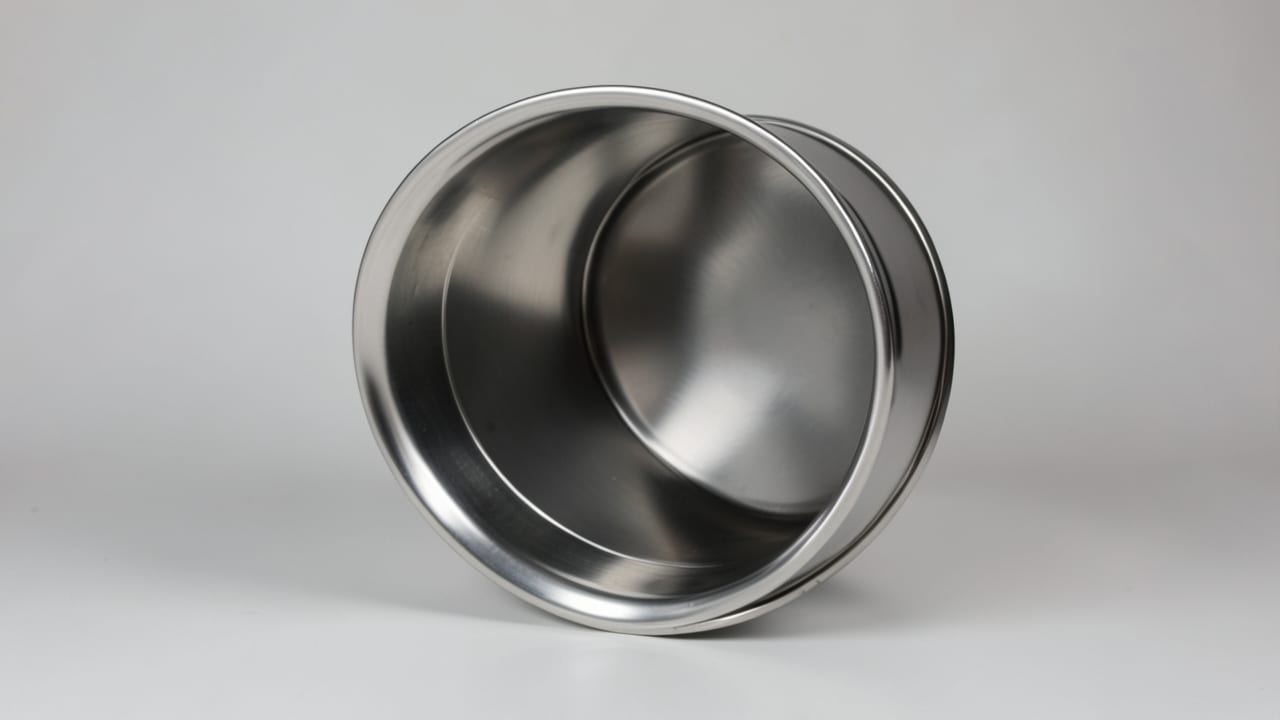
Fiberboard Duct Cleaning in Wichita, KS
Professional cleaning of fiberboard HVAC ducts to remove dust, debris, and contaminants.
Learn More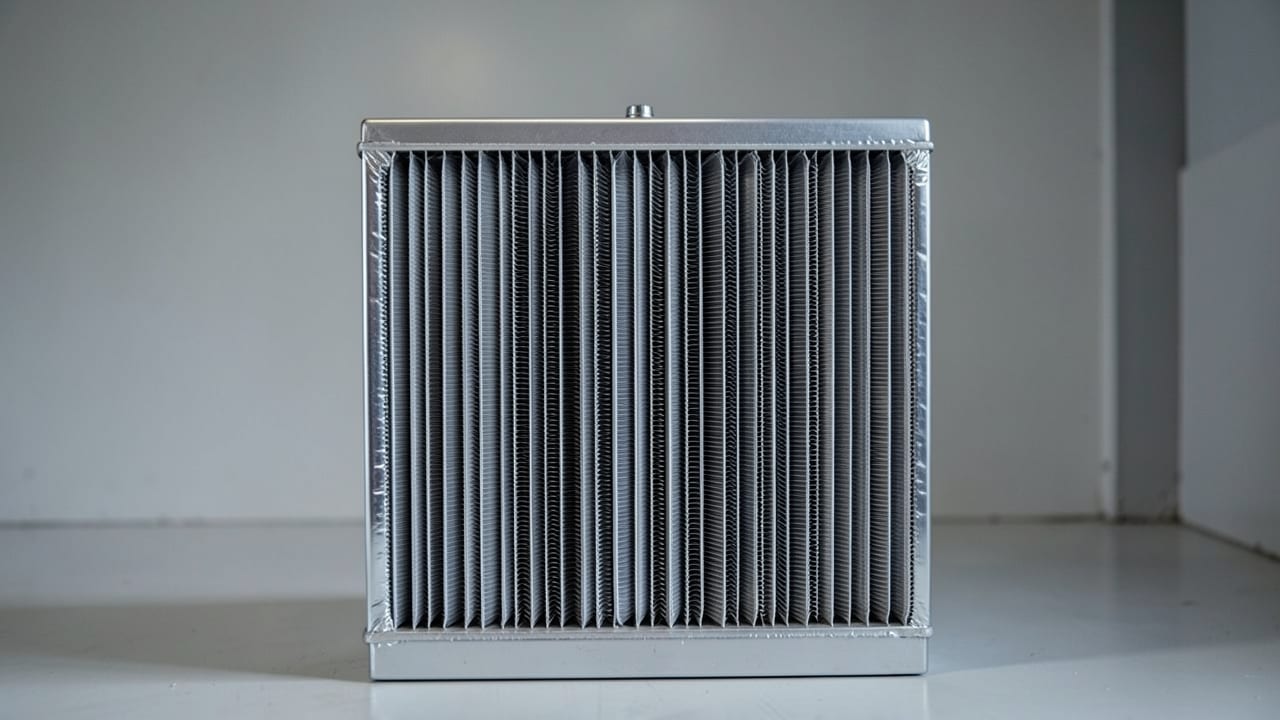
Aluminum Duct Cleaning in Wichita, KS
Professional cleaning of aluminum ductwork to remove dust, debris, and contaminants from HVAC systems.
Learn More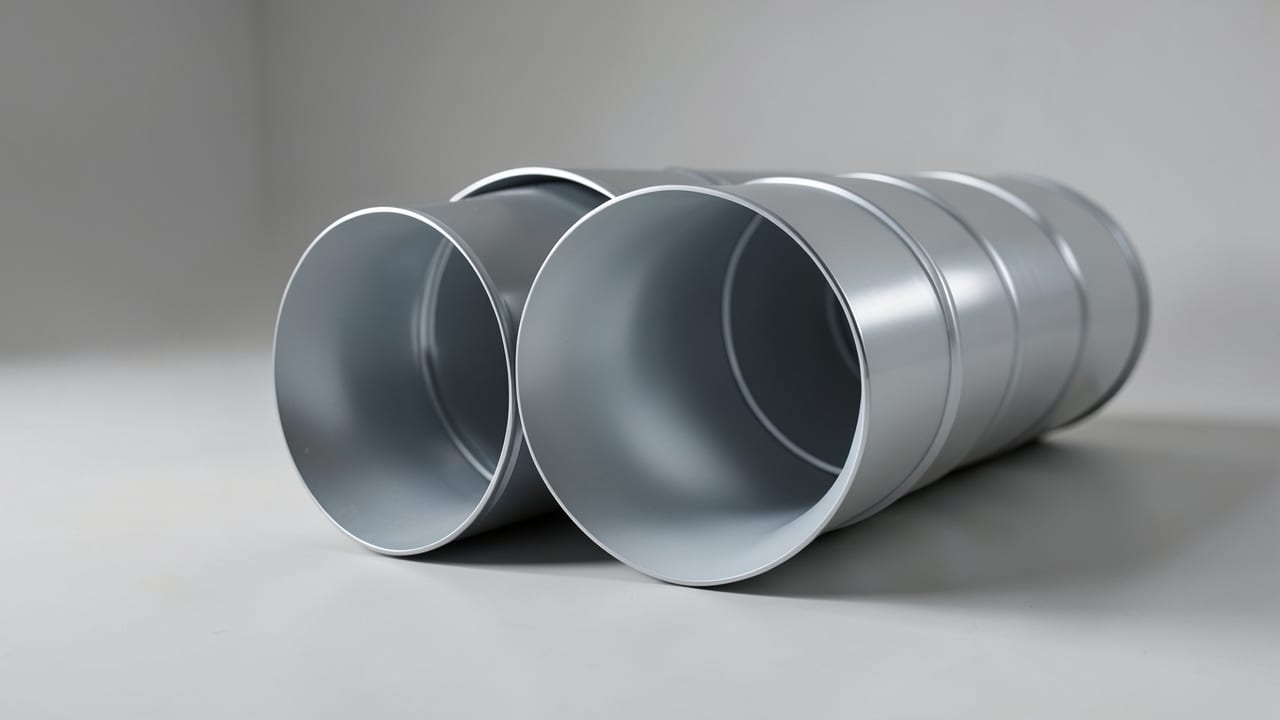
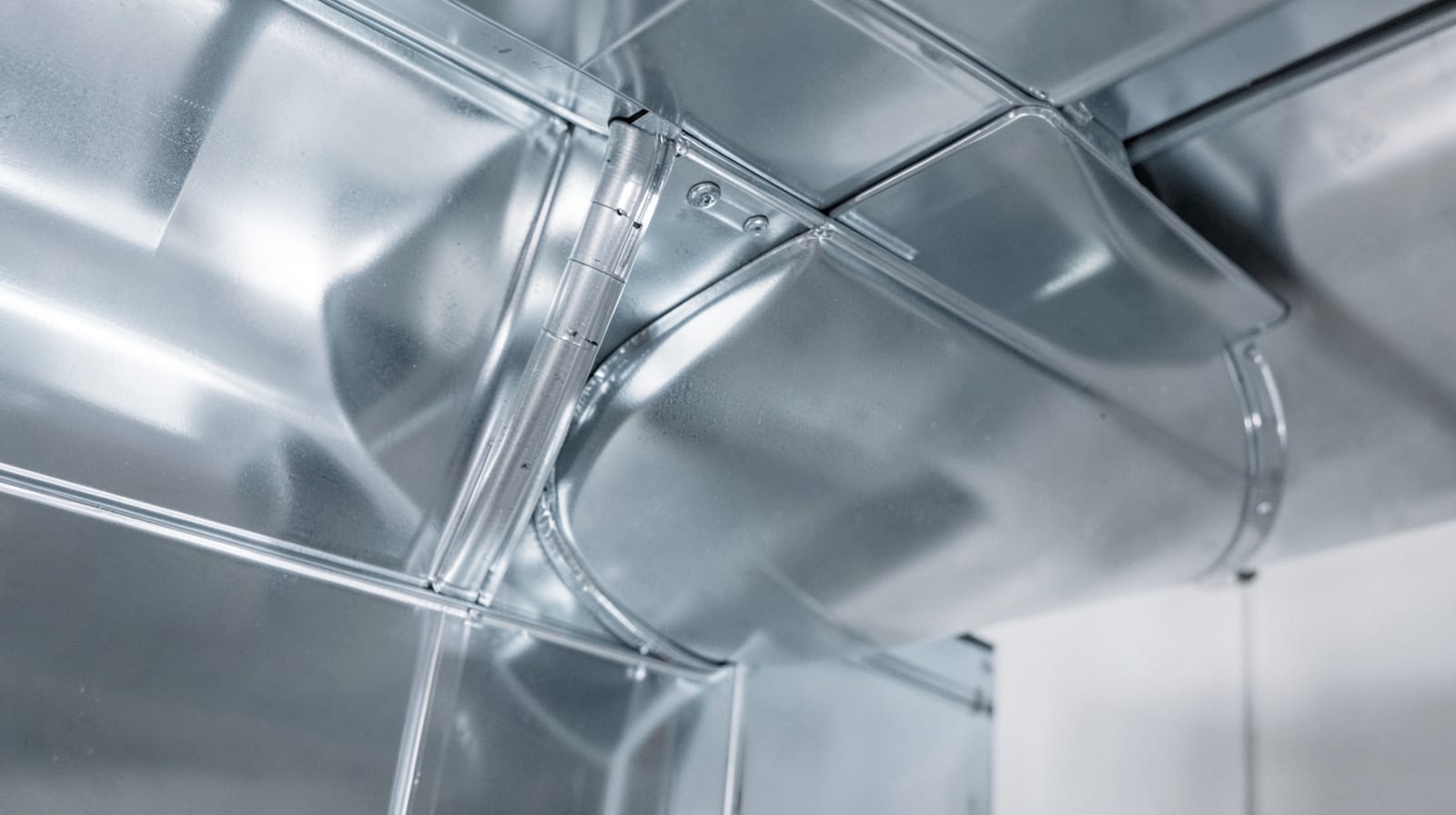
Galvanized Duct Cleaning in Wichita, KS
Professional cleaning of galvanized air ducts to remove dust, debris, and contaminants from HVAC systems.
Learn More Stainless Steel Duct Cleaning in Wichita, KS
Professional cleaning of stainless steel ductwork to remove dust, debris, and contaminants from HVAC systems.
Learn More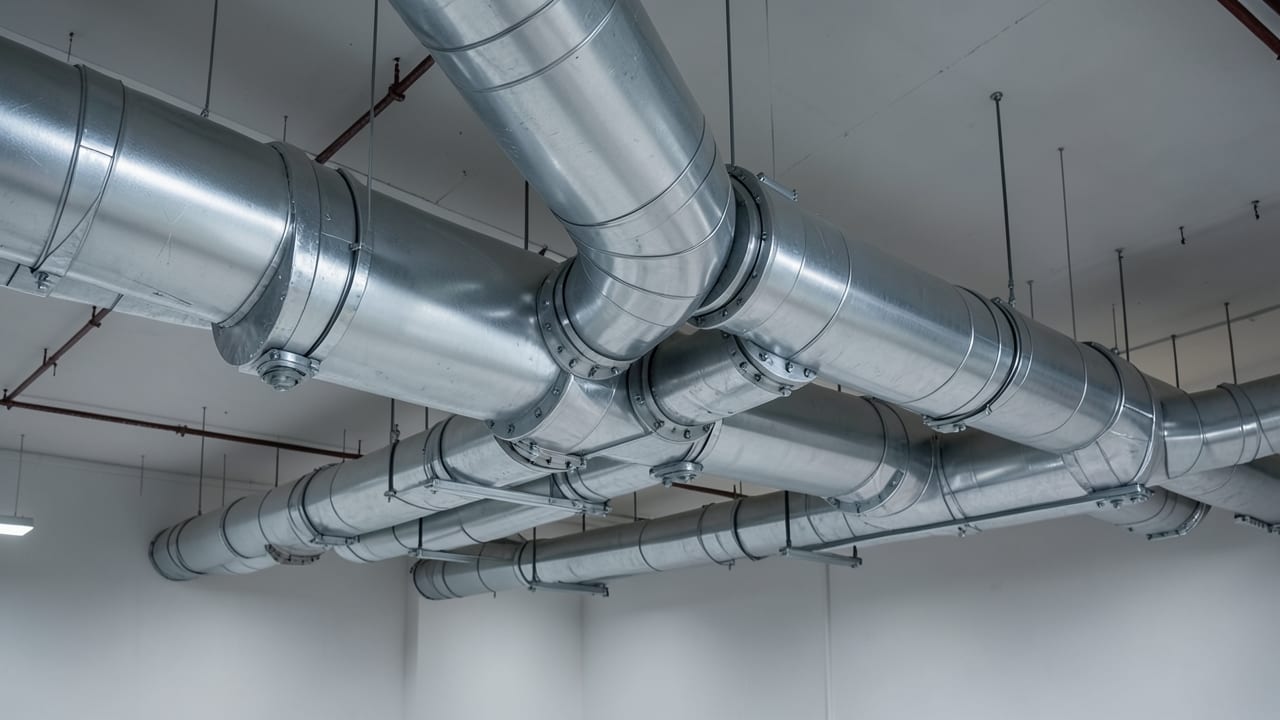
Spiral Duct Cleaning in Wichita, KS
Professional cleaning of spiral ductwork to remove dust, debris, and contaminants from HVAC systems.
Learn MoreCommon Questions About Air Duct Cleaning in Wichita
Everything you need to know about air duct cleaning services in Wichita
How much does Indoor Air Quality Testing typically cost in Wichita, KS?
What local factors get checked before recommending duct cleaning in Wichita, KS?
What's the real difference between flat-rate and per-vent air duct pricing?
How often should air ducts actually be cleaned?
What does an air duct cleaning appointment actually involve, step by step?
Does dirty ductwork actually cause allergy or respiratory symptoms?
Need Air Duct Cleaning in Wichita?
Get a written quote from our Wichita crew.
⏰ We answer your call • Serving all of Wichita and surrounding areas