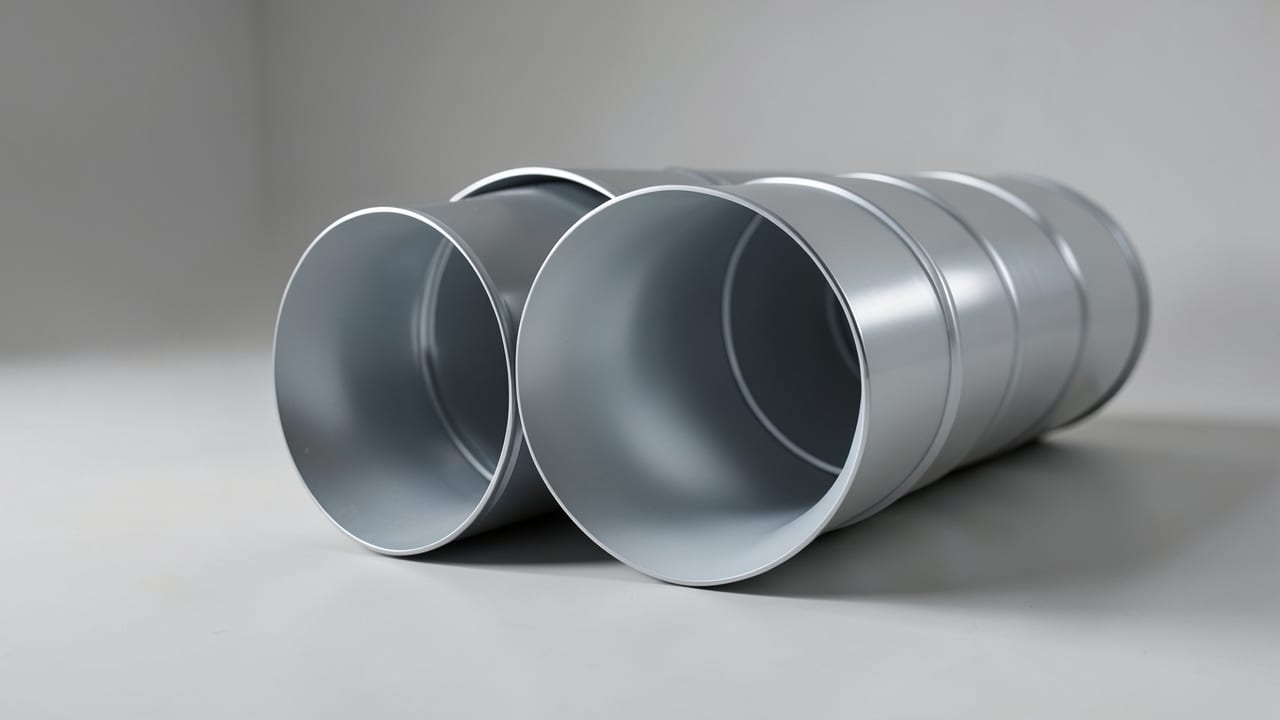
Mold & Mildew Duct Treatment
Mold and mildew treatment for HVAC ductwork in Wichita, KS — antimicrobial application after a full duct cleaning.
In Wichita’s dry climate, mold and mildew in ductwork are rare but possible due to hidden moisture sources. Our EPA-registered treatment eliminates existing growth and prevents regrowth after a thorough mechanical cleaning, addressing the root cause of musty odors and poor indoor air quality.
When to Suspect Mold in Your Ducts
A musty odor that strengthens when your HVAC system runs is one of the clearest signs of mold or mildew inside the ductwork. Even in Wichita’s generally dry climate, hidden moisture from a refrigerant leak, clogged condensate drain, or humidifier malfunction can create the perfect environment for growth.
We also handle Pantry Vent Cleaning and Laundry Room Vent Cleaning for Wichita properties.
Visible mold near vents or ductwork, or a history of water intrusion in the area, are also red flags. If you notice these issues, an inspection can confirm whether treatment is needed before the problem spreads or worsens.
Signs You May Need Mold & Mildew Duct Treatment
- Persistent musty smell that intensifies when the HVAC system is running
- Visible mold or dark stains around vents or ductwork
- Recent water damage or leaks near ductwork
- Increased allergy or respiratory symptoms indoors
- Condensate drain clogs or HVAC moisture issues
Why Cleaning Must Come First
Applying an antimicrobial treatment without first removing the debris mold feeds on only masks the problem. Our process starts with a full mechanical cleaning to eliminate dust, dirt, and organic matter from your ductwork, ensuring the treatment can reach and kill the mold at its source.
After cleaning, we apply an EPA-registered antimicrobial solution to all interior duct surfaces. This treatment kills existing mold and mildew while leaving a residual barrier to slow regrowth, but it cannot fix underlying moisture issues.
Even after treatment, mold will return if the moisture source isn’t fixed. We inspect for and flag issues like condensate drain clogs, ductwork in humid spaces, or failing dehumidifiers so you can address them at the root.
Pricing and What to Expect
Pricing for mold and mildew duct treatment depends on the size of your HVAC system and the extent of the growth. A typical residential system in Wichita may range from $500 to $1,500, with larger or more severely affected systems costing more.
The process usually takes 3-6 hours, depending on the complexity of your ductwork. We’ll provide a detailed inspection report and recommendations for addressing any moisture sources to prevent future issues.
How Mold & Mildew Duct Treatment Works
Our process ensures mold is fully removed and prevented from returning.
- 1Inspection and Assessment
We inspect your ductwork for visible mold, moisture sources, and signs of growth. This helps determine the extent of treatment needed.
- 2Mechanical Cleaning
Using specialized equipment, we thoroughly clean all interior duct surfaces to remove dust, debris, and mold-feeding organic matter.
- 3Antimicrobial Treatment
We apply an EPA-registered antimicrobial solution to kill existing mold and mildew and leave a residual barrier to slow regrowth.
- 4Moisture Source Identification
We check for and document any moisture issues, such as clogged condensate drains or humidifier malfunctions, so you can address them.
- 5Final Verification
We perform a final inspection to ensure the treatment is complete and provide recommendations for preventing future growth.
Frequently Asked Questions
Can mold in ductwork make my family sick?
Yes. Mold spores can trigger allergies, asthma, and respiratory issues, especially in sensitive individuals. A persistent musty smell is often the first sign of a problem.
Will the treatment work if I don’t fix the moisture issue?
No. The antimicrobial treatment kills existing mold but won’t prevent regrowth if the moisture source isn’t addressed. We’ll identify and flag any issues during the inspection.
How long does the antimicrobial barrier last?
The residual barrier typically lasts 6–12 months, depending on environmental conditions. Regular HVAC maintenance can help extend its effectiveness.
Do I need to leave my home during treatment?
No, but we recommend staying out of treated areas until the antimicrobial solution has dried, usually within 1–2 hours. The product is safe once fully cured.
See Kechi, KS for more, or browse the full air duct cleaning lineup we run in Wichita in full for our complete lineup.
Ready to get started?
Talk to a local air duct cleaning pro in Wichita — get a written quote.
Other Air Duct Cleaning Services in Wichita
Pantry Vent Cleaning in Wichita, KS
Professional cleaning of pantry ventilation systems to remove grease, dust, and debris buildup.
Learn More
Laundry Room Vent Cleaning in Wichita, KS
Removal of lint and debris from laundry room vents to improve airflow and safety.
Learn More
Closet Vent Cleaning in Wichita, KS
Professional cleaning of closet air vents to improve airflow and indoor air quality.
Learn More Apartment Duct Cleaning in Wichita, KS
Professional cleaning of apartment HVAC ducts to remove dust, debris, and allergens.
Learn More
Rental Property Duct Cleaning in Wichita, KS
Professional cleaning of air ducts and HVAC systems in rental properties to improve air quality.
Learn More
Condo Duct Cleaning in Wichita, KS
Professional cleaning of condo air ducts and HVAC systems to improve airflow and indoor air quality.
Learn MoreCommon Questions About Air Duct Cleaning in Wichita
Everything you need to know about air duct cleaning services in Wichita
How much does Mold & Mildew Duct Treatment typically cost in Wichita, KS?
What local factors get checked before recommending duct cleaning in Wichita, KS?
How often should air ducts actually be cleaned?
What does an air duct cleaning appointment actually involve, step by step?
Does dirty ductwork actually cause allergy or respiratory symptoms?
Can air ducts be cleaned with a household vacuum instead of hiring it out?
Need Air Duct Cleaning in Wichita?
Get a written quote from our Wichita crew.
⏰ We answer your call • Serving all of Wichita and surrounding areas