What Every Wichita Homeowner Should Know About HVAC Contaminants
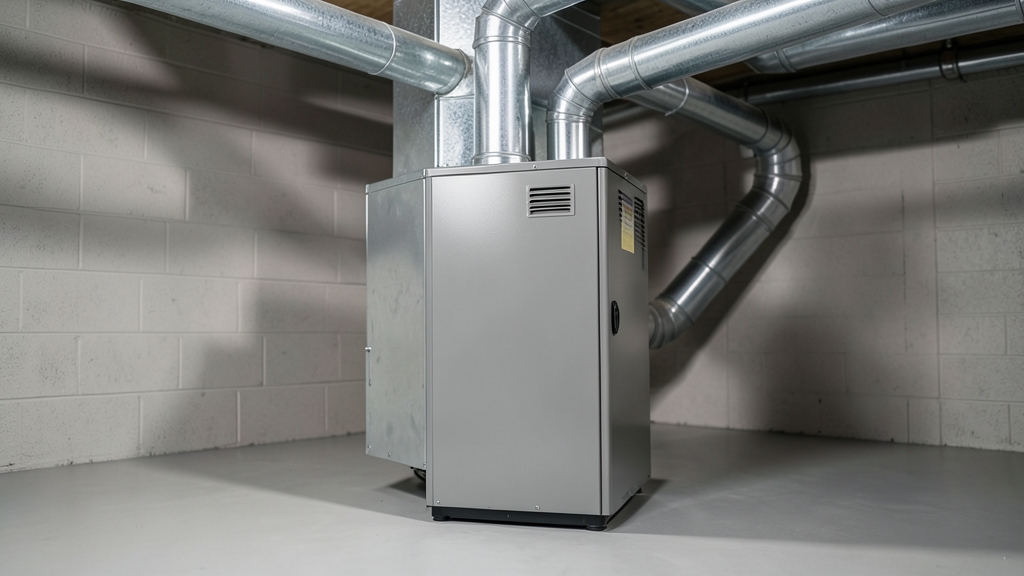
Your HVAC system circulates more than just air—it can spread dust, mold, and other contaminants throughout your home. Understanding these pollutants is the first step to cleaner, healthier indoor air for Wichita families.
Common HVAC Contaminants Hiding in Your Ducts
Dust and dirt accumulate in ductwork over time, especially in older homes or areas with high foot traffic. These particles recirculate every time your system runs, reducing efficiency and air quality.
Pet dander and pollen are lightweight and easily pulled into return vents. In Wichita’s windy seasons, outdoor allergens often find their way inside, settling in ducts where they thrive.
Mold and mildew grow in damp, dark environments—like uninsulated ducts in humid basements or after water leaks. Once present, spores spread through the system, triggering allergies and respiratory issues.
Why Wichita’s Climate Makes Duct Contaminants Worse
Our hot summers and cold winters force HVAC systems to work overtime. This constant airflow pulls in more debris, accelerating buildup in ducts and coils.
High humidity in spring and summer creates ideal conditions for mold growth in ductwork, especially in homes without proper ventilation or dehumidifiers.
Dust storms and seasonal pollen in Kansas mean your system filters more particulate matter than in many other regions. Clogged filters and dirty ducts are common results.
A persistent musty smell from your vents often signals mold or mildew in the ductwork. This requires professional inspection and treatment, not just air fresheners.
How Contaminants Affect Your HVAC System and Health
Dirty ducts force your HVAC to work harder, increasing energy use and shortening the lifespan of components like coils and blower motors. Regular cleaning improves efficiency and prevents costly repairs.
Poor indoor air quality exacerbates allergies, asthma, and other respiratory conditions. Children, the elderly, and those with compromised immune systems are especially vulnerable.
Contaminants like bacteria and viruses can also hitch a ride on dust particles, spreading illness through your home. UV light treatments can neutralize these microscopic threats.
Duct Material Matters: How It Impacts Contaminant Buildup
Fiberglass ducts are prone to mold growth if moisture is present. Their rough surfaces also trap dust more easily than smooth materials, making them harder to clean thoroughly.
Flex ducts are lightweight and easy to install, but their ribbed interiors can harbor debris. Poor installation can create low spots where water pools, leading to mold.
Sheet metal ducts resist mold and are easier to clean, but they can still accumulate dust. Proper sealing is critical to prevent contaminants from entering the system.
| Material | Mold Resistance | Dust Accumulation | Cleaning Difficulty |
|---|---|---|---|
| Fiberglass | Low | High | High |
| Flex Duct | Moderate | Moderate | Moderate |
| Sheet Metal | High | Low | Low |
Signs Your Ducts Need Professional Cleaning
Visible dust or debris blowing from vents is a clear indicator. If you notice dust settling on furniture shortly after cleaning, your ducts may be the culprit.
Unexplained allergies or respiratory issues that improve when you’re away from home often point to poor indoor air quality. Contaminated ducts are a common cause.
Inconsistent airflow or rooms that are harder to heat or cool can signal blockages in the ductwork. A thorough inspection can reveal the source of the problem.
When to Call a Pro
- Visible mold growth inside ducts or on HVAC components
- Rodent or insect infestations in the ductwork
- Excessive dust or debris in vents or around the home
- Unexplained odors coming from the HVAC system
Beyond Ducts: Other HVAC Components That Need Attention
HVAC coils—both evaporator and condenser—collect dust and grime, reducing efficiency. Clean coils improve performance and prevent contaminants from spreading through the system.
Dryer vents clogged with lint pose a fire hazard and restrict airflow. Regular cleaning is essential, especially in homes with heavy laundry use.
Air filters should be replaced every 1-3 months, depending on usage and indoor air quality. High-efficiency filters capture smaller particles but may need more frequent changes.
Dirty coils can reduce your HVAC’s efficiency by up to 30%. We recommend coil cleaning as part of your annual maintenance, especially in Wichita’s dusty climate.
DIY vs. Professional Duct Cleaning: What’s the Difference?
DIY methods, like vacuuming vents or using a shop vac, only remove surface dust. They can’t reach deep into the ductwork or address mold, bacteria, or embedded debris.
Professionals use specialized tools, including high-powered vacuums, brushes, and air whips, to dislodge and remove contaminants from every part of the system.
For homes in Derby, Andover, or Haysville, professional cleaning is especially important due to higher dust and pollen levels. It ensures a thorough job and protects your HVAC investment.
How to Reduce HVAC Contaminants Between Cleanings
Simple steps can minimize buildup and improve air quality between professional cleanings.
- 1Upgrade Your Air Filter
Switch to a high-MERV filter (MERV 8-13) to capture smaller particles. Check it monthly and replace as needed, especially during high-use seasons.
- 2Seal Duct Leaks
Inspect your ductwork for gaps or disconnected sections. Use mastic sealant or metal tape to seal leaks, preventing contaminants from entering the system.
- 3Control Humidity
Use a dehumidifier in damp areas like basements to prevent mold growth. Aim for indoor humidity levels between 30-50%.
- 4Vacuum and Dust Regularly
Reduce the amount of dust and debris in your home by vacuuming carpets and dusting surfaces weekly. Use a vacuum with a HEPA filter for best results.
- 5Schedule Annual HVAC Maintenance
Have a professional inspect and service your HVAC system yearly. This includes cleaning coils, checking for mold, and ensuring optimal airflow.
Frequently Asked Questions
How often should I have my air ducts cleaned in Wichita?
Most homes benefit from professional duct cleaning every 3-5 years. However, if you have pets, allergies, or notice excessive dust, more frequent cleaning may be necessary. Request a quote to assess your system’s needs.
Can dirty ducts make my allergies worse?
Absolutely. Dust mites, pollen, pet dander, and mold spores in your ducts can trigger or worsen allergies and asthma. Cleaning your ducts and replacing air filters regularly can significantly reduce these irritants.
What’s the difference between duct cleaning and HVAC coil cleaning?
Duct cleaning focuses on removing contaminants from the ductwork, while coil cleaning targets the evaporator and condenser coils. Both are important for efficiency and air quality, but they require different tools and techniques.
Do I need mold treatment if my ducts are dirty?
Not always. If mold is present, a simple cleaning may not be enough—specialized treatments like UV light or antimicrobial sprays may be needed. An inspection can determine if mold is an issue in your system.
Are there any areas near Wichita where duct cleaning is more urgent?
Homes in rural areas or near construction zones, like parts of Park City or Bel Aire, may experience faster duct contamination due to higher dust levels. Older homes in Derby or Haysville may also need more frequent attention.
Can duct cleaning help with strange odors in my home?
Yes, if the odors are coming from your HVAC system. Musty smells often indicate mold, while burning or chemical odors could signal issues with the system itself. A professional cleaning can eliminate many odor-causing contaminants.