Why Wichita’s Dusty Climate Demands More Frequent Air Duct Inspections
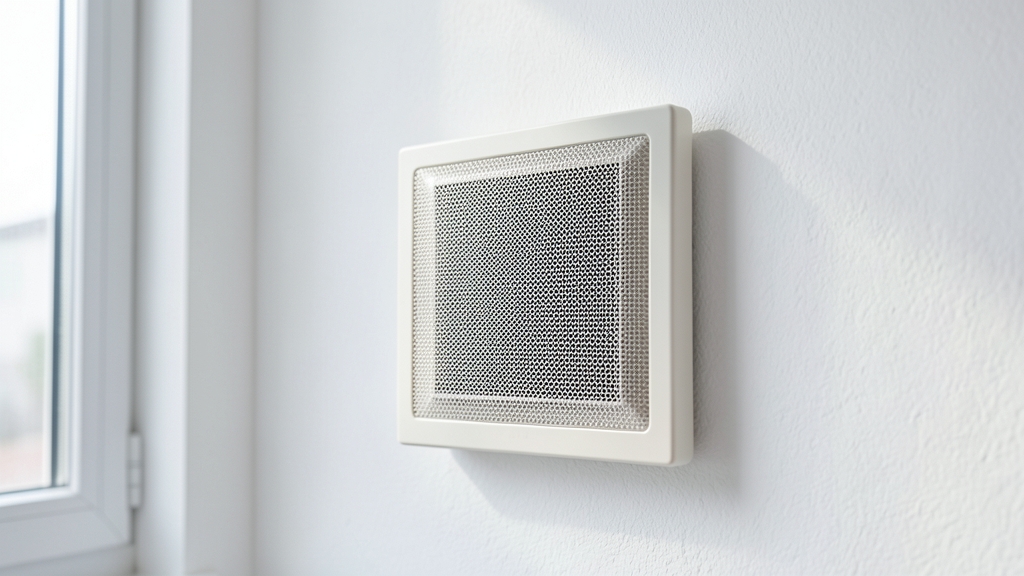
Wichita’s notorious winds carry more than just tumbleweeds—they pump fine dust, pollen, and agricultural debris straight into your ductwork. Over time, this buildup chokes airflow, strains your HVAC, and degrades indoor air quality. Regular inspections aren’t just maintenance; they’re a necessity in our region.
How Wichita’s Climate Accelerates Duct Contamination
Our semi-arid climate and frequent high winds kick up dust from fields, construction sites, and unpaved roads. That particulate matter doesn’t stay outside—it infiltrates intakes and settles deep in your duct system.
Pollen counts spike in spring and fall, adding biological contaminants to the mix. These fine particles bypass standard filters and coat duct surfaces, creating a sticky layer that traps even more debris.
The Hidden Costs of Clogged Ductwork in Kansas Homes
Reduced airflow forces your HVAC to work harder, increasing energy consumption and wear on components like the blower motor and evaporator coil. In extreme cases, restricted ducts can lead to system failure.
Poor indoor air quality triggers allergies, asthma, and respiratory irritation. For families in Derby or Andover, where outdoor allergens are prevalent, dirty ducts amplify these issues year-round.
Unexplained dust buildup on furniture, musty odors, or inconsistent airflow from vents are red flags. These often indicate severe duct contamination requiring professional attention.
Duct Inspection vs. Duct Cleaning: What’s the Difference?
An inspection uses cameras and tools to assess contamination levels, blockages, and structural integrity. It identifies problems like mold, pest infestations, or collapsed sections in Park City or Haysville homes with older ductwork.
Cleaning removes the buildup with specialized equipment like brushes, air whips, and HEPA vacuums. Think of inspection as the diagnosis and cleaning as the treatment—both are critical.
| Aspect | Inspection | Cleaning |
|---|---|---|
| Primary Goal | Assess condition and identify issues | Remove contaminants and debris |
| Tools Used | Borescope cameras, pressure gauges, moisture meters | Rotary brushes, air compressors, HEPA vacuums |
| Frequency | Every 1-2 years (or after major renovations) | As needed, based on inspection findings |
| Outcome | Detailed report with recommendations | Improved airflow and indoor air quality |
What Our Team Checks During a Professional Duct Inspection
We start with a visual scan of registers, returns, and accessible duct sections for obvious dust, mold, or pest activity. Then, we use a borescope to inspect deeper runs, checking for blockages or damage.
Static pressure tests reveal airflow restrictions, while moisture meters detect hidden leaks or condensation issues—common in Bel Aire homes with poorly sealed ducts. We also evaluate the condition of your air handler and coils.
Inspection Checkpoints
- Visual assessment of all registers and returns
- Borescope inspection of main duct runs
- Static pressure and airflow measurement
- Moisture and mold detection in hidden areas
- Evaluation of HVAC components (blower, coils, filters)
When to Schedule Duct Cleaning After an Inspection
If we find more than 1/4 inch of dust buildup, visible mold, or evidence of pests, cleaning is non-negotiable. The same goes for homes with recent renovations—drywall dust and debris wreak havoc on ducts.
For commercial properties in Wichita, especially those with high foot traffic or sensitive environments (like medical offices), we often recommend cleaning every 1-2 years regardless of visible signs.
Always inspect and clean ducts after major home projects. Drywall dust, sawdust, and insulation fibers cling to duct walls and can circulate for months if left unchecked.
How Often Should Wichita Homeowners Inspect Their Ducts?
In our climate, we recommend a professional inspection every 1-2 years. However, homes with pets, smokers, or residents with allergies may need annual checks to maintain air quality.
Newer homes in Andover or Derby with sealed ducts and high-MERV filters can sometimes stretch intervals to 3 years—but only if no issues arise. Older homes or those near agricultural areas should stick to the 1-2 year rule.
Related Services to Improve Indoor Air Quality
Duct cleaning is just one piece of the puzzle. Dryer vent cleaning prevents lint fires and improves appliance efficiency. HVAC coil cleaning restores heat exchange performance, while UV light sanitization neutralizes mold and bacteria in the system.
For persistent air quality issues, we offer mold and mildew duct treatments, as well as indoor air quality testing to pinpoint contaminants. Commercial properties often benefit from comprehensive duct cleaning paired with high-efficiency air filters.
How to Prepare for a Professional Duct Inspection
A little prep ensures our team can work efficiently and thoroughly.
- 1Clear the Area
Move furniture, rugs, and stored items away from vents, registers, and the HVAC system to give us full access.
- 2Change or Remove Filters
If your filter is heavily clogged, replace it before the inspection. This helps us assess the ductwork itself, not just the filter’s condition.
- 3Secure Pets
Keep pets in a separate room or outside. Our equipment can be loud, and we’ll need to open access panels that might startle them.
- 4Note Problem Areas
Point out any rooms with poor airflow, strange odors, or excessive dust. This helps us focus on potential trouble spots.
- 5Plan for Downtime
Inspections typically take 1-2 hours. While we work, avoid running the HVAC to ensure accurate readings.
Frequently Asked Questions
How do I know if my Wichita home’s ducts need cleaning?
Look for thick dust around vents, musty smells when the HVAC runs, or unexplained allergy flare-ups. If you notice any of these, schedule an inspection. We’ll confirm whether cleaning is necessary based on the contamination levels.
Can I clean my ducts myself?
Surface-level cleaning with a vacuum might remove some dust, but it won’t reach deep into the system or address mold, pests, or structural issues. Professional equipment and expertise are required for a thorough job.
Does duct cleaning improve HVAC efficiency?
Absolutely. Removing blockages restores proper airflow, reducing strain on your system. Many homeowners in Haysville and Park City see lower energy bills and fewer repairs after a professional cleaning.
Is duct cleaning messy?
Not with our team. We use contained systems and HEPA vacuums to prevent dust from spreading into your home. You might see a slight uptick in dust for a day or two afterward as any residual particles settle.
How long does a typical duct inspection take in Wichita?
Most residential inspections wrap up in 1-2 hours. Commercial properties or large homes may take longer, depending on the system’s size and complexity. We’ll give you an estimate upfront when you request a quote.
Will duct cleaning help with my allergies?
Yes, if allergens like dust mites, pollen, or mold spores are present in your ducts. Combined with high-quality air filters and regular HVAC maintenance, cleaning can significantly reduce indoor allergens.