Why Schools and Daycares in Wichita Need Regular Commercial Duct Cleaning
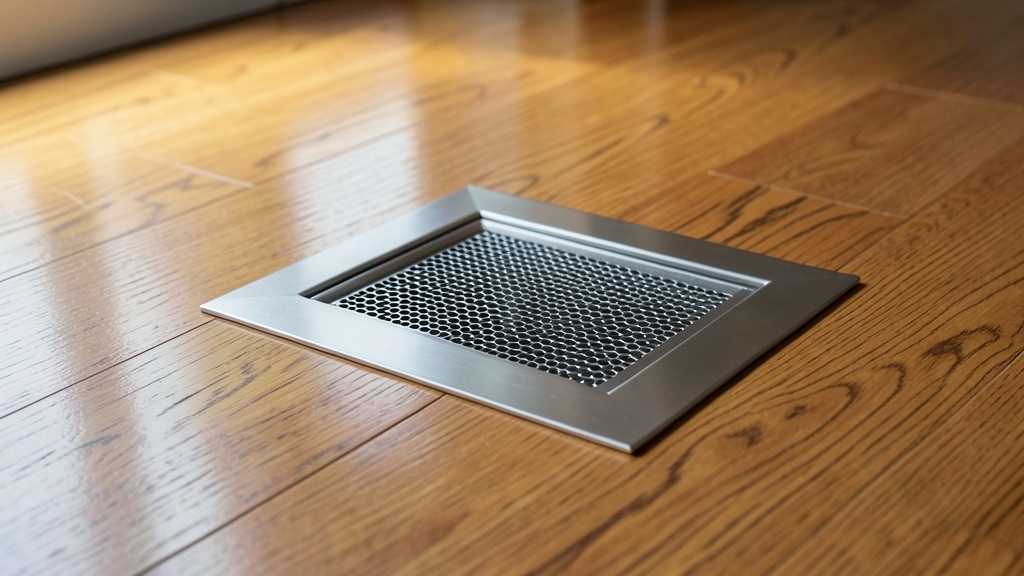
Schools and daycares face unique indoor air quality challenges. High occupancy, seasonal allergens, and Kansas humidity create a perfect storm for duct contamination. Regular commercial duct cleaning isn’t just maintenance—it’s a health and performance necessity for these facilities.
The Hidden Air Quality Crisis in High-Traffic Facilities
Children and staff spend hours indoors where airborne contaminants circulate through ductwork. Dust, pollen, and dander accumulate faster in schools than in most commercial buildings due to constant use.
Wichita’s seasonal shifts—from dry winters to humid summers—exacerbate duct buildup. Without cleaning, these systems recirculate allergens and irritants, triggering asthma and allergies in sensitive populations.
How Contaminated Ducts Impact Health and Learning
Poor IAQ leads to increased absenteeism among students and staff. Studies link high particle counts in ducts to respiratory issues, headaches, and reduced cognitive function—directly affecting learning outcomes.
Mold and mildew thrive in moist duct environments, especially in older buildings common in Derby and Andover. These spores spread through vents, posing serious health risks if left unchecked.
Visible mold on vents or a musty odor means spores are already circulating. Immediate professional duct cleaning and mold treatment are critical to prevent health hazards.
Commercial Duct Cleaning vs. Residential: Key Differences
Commercial systems in schools are larger, more complex, and serve far more occupants. They require specialized equipment like high-powered vacuums and rotary brushes to reach deep into extensive duct networks.
Residential cleaning focuses on single-family homes with simpler layouts. Commercial projects demand adherence to ASHRAE standards and often include HVAC coil cleaning and air handler sanitization.
| Factor | Commercial (Schools/Daycares) | Residential |
|---|---|---|
| System Size | Large, multi-zone HVAC | Single-zone or small multi-zone |
| Equipment Used | Industrial vacuums, rotary brushes, access panels | Portable vacuums, smaller brushes |
| Frequency Needed | Every 1-3 years (or more, per ASHRAE) | Every 3-5 years |
| Regulatory Standards | ASHRAE, local IAQ codes | Manufacturer recommendations |
| Additional Services | Coil cleaning, UV sanitization, mold treatment | Basic cleaning, filter replacement |
The Role of Kansas Climate in Duct Contamination
Wichita’s humidity spikes in spring and summer, promoting mold and bacteria growth in ducts. Schools without proper ventilation or dehumidification see faster buildup, especially in basements or older wings.
Dust storms and pollen from local agriculture also contribute. Fine particles enter through open windows or poorly sealed intakes, settling in ductwork and reducing airflow efficiency.
Beyond Ducts: Related Services for Complete IAQ
Duct cleaning is just one part of a comprehensive IAQ strategy. HVAC coil cleaning removes sludge that harbors bacteria, while dryer vent cleaning prevents lint fires—a critical safety step for on-site laundry facilities.
UV light sanitization systems installed in ductwork neutralize airborne pathogens. For schools in Park City or Bel Aire with older buildings, indoor air quality testing identifies hidden contaminants before they become widespread issues.
Essential IAQ Services for Schools
- Commercial duct cleaning (including supply and return ducts)
- HVAC coil and air handler cleaning
- Dryer vent cleaning for laundry rooms
- Mold and mildew treatment in ducts
- UV light sanitization installation
- Indoor air quality testing and monitoring
Energy Efficiency and Cost Savings for Schools
Clogged ducts force HVAC systems to work harder, increasing energy consumption. Clean ductwork improves airflow, reducing strain on equipment and lowering utility bills—a major benefit for budget-conscious school districts.
Regular maintenance also extends the lifespan of HVAC systems. Replacing a commercial unit is a significant expense; proactive duct cleaning helps avoid premature failures.
Compliance and Liability: Why Schools Can’t Afford to Skip It
Kansas schools must meet state and federal IAQ regulations. Neglecting duct cleaning can lead to failed inspections, fines, or even lawsuits if poor air quality causes health issues.
Documented maintenance records demonstrate due diligence. Many insurance providers also require regular HVAC upkeep to maintain coverage, especially in high-occupancy facilities.
Kansas Department of Health and Environment (KDHE) provides IAQ guidelines for schools. Ensure your duct cleaning schedule aligns with these recommendations.
How to Prepare Your School for Commercial Duct Cleaning
A little preparation ensures a smooth, efficient process with minimal disruption to classes.
- 1Schedule During Off-Hours
Book cleaning during evenings, weekends, or summer break to avoid interfering with school activities. Most commercial jobs take 1-2 days depending on system size.
- 2Clear Access to Vents and Equipment
Move furniture, decorations, or stored items away from vents, returns, and HVAC units. Technicians need 3-4 feet of clearance to work safely and effectively.
- 3Notify Staff and Parents
Inform teachers, custodians, and parents about the service. Some individuals with sensitivities may benefit from temporary relocation during the process.
- 4Review the Scope of Work
Confirm whether the quote includes supply/return ducts, coils, air handlers, and any add-ons like UV sanitization or mold treatment. Request a quote if details are unclear.
- 5Plan for Post-Cleaning Inspection
Ask for before-and-after photos or a camera inspection of the ductwork. Verify that all components were cleaned and no debris remains in the system.
Frequently Asked Questions
How often should Wichita schools have their ducts cleaned?
ASHRAE recommends commercial duct cleaning every 1-3 years, but high-traffic schools may need it annually. Factors like building age, occupancy, and local air quality (e.g., pollen in Andover or dust in Haysville) can shorten this interval. Always request a quote for a tailored assessment.
Can duct cleaning help with mold issues in older school buildings?
Yes, but it must be part of a broader remediation plan. Professional duct cleaning removes existing mold spores, but the root cause—often moisture from leaks or poor ventilation—must also be addressed. Mold treatment and UV sanitization can provide long-term protection.
Is commercial duct cleaning disruptive for students and staff?
Minimally, if scheduled properly. Modern equipment contains dust and debris, and technicians seal off work areas. Noise is the main concern, so we recommend cleaning during non-instructional hours or breaks.
What’s the difference between duct cleaning and HVAC coil cleaning?
Duct cleaning focuses on the air pathways (supply and return ducts), while coil cleaning targets the evaporator and condenser coils in the HVAC system. Both are critical: dirty coils reduce efficiency and can harbor bacteria that duct cleaning alone won’t remove.
Do Wichita daycares have the same duct cleaning needs as schools?
Yes, and often more frequently. Daycares have higher occupant density relative to space, and young children are more vulnerable to airborne contaminants. Smaller systems may clean faster, but the health stakes are just as high.
How can schools verify the quality of a duct cleaning service?
Look for technicians adhering to industry standards, and ask for proof of liability insurance, before-and-after inspections, and references from other local schools or facilities in Bel Aire or Park City.