7 Clear Signs Your HVAC System Is Suffering from Dirty Ducts in Wichita
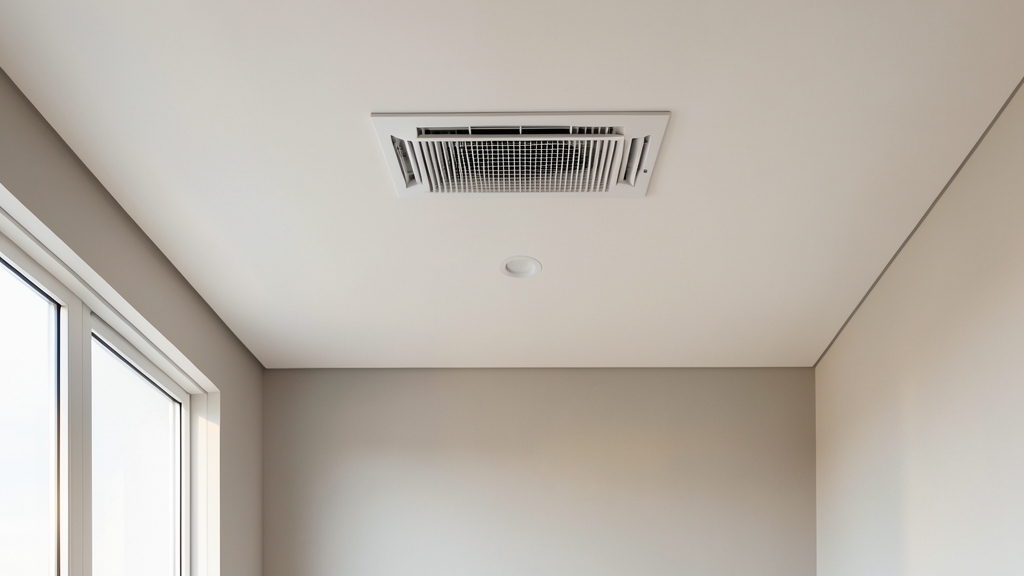
Your HVAC system works overtime in our Kansas climate, but dirty ducts can silently sabotage its efficiency and your comfort. Recognizing the early warning signs helps prevent costly damage and poor indoor air quality before they spiral. We’ve seen it firsthand in homes across Derby, Andover, and Haysville—neglected ducts don’t just collect dust, they redistribute it.
Why Dirty Ducts Are a Hidden Problem in Kansas Homes
Our region’s seasonal extremes—blistering summers and chilly winters—force HVAC systems to run longer, pulling more dust, pollen, and debris into ductwork. Over time, this buildup restricts airflow, straining your blower motor and reducing efficiency.
Unlike visible issues like a clogged air filter, duct contamination often goes unnoticed until it triggers noticeable symptoms. Homes near construction zones or agricultural areas in the Wichita metro may accumulate particles even faster.
Unexplained Spike in Energy Bills
If your utility costs climb without a clear reason, dirty ducts could be the culprit. Restricted airflow forces your HVAC to work harder, increasing runtime and energy consumption to maintain the same temperature.
In older homes with metal ductwork, gaps or poor seals can compound the problem, leaking conditioned air. We often find these inefficiencies during inspections in Park City and Bel Aire.
A dirty air filter mimics duct issues. Replace it before assuming your ducts are the problem—this simple step can restore airflow and efficiency.
Inconsistent Airflow or Weak Vents
Notice some rooms stay warmer or cooler than others? Blocked or contaminated ducts disrupt airflow balance, creating hot and cold spots. Supply vents may feel weaker, while return vents pull less air.
This imbalance is common in homes with long duct runs or multiple levels. Flex duct is especially prone to kinking or collapsing, which we frequently address in Haysville and Derby.
Excessive Dust and Debris Around Vents
A fine layer of dust on furniture is normal, but if you’re dusting daily—or see puffs of debris when the HVAC kicks on—your ducts are likely overloaded. This is a telltale sign of accumulated particulate matter being blown into living spaces.
Pet dander, dead skin cells, and even insulation fibers from deteriorating duct liners can contribute. Homes with carpeting or high foot traffic often exacerbate the issue.
Quick Dust Check
- Inspect vents and registers for visible dust buildup
- Check for dust streaks on walls near supply vents
- Note if dust reappears within hours of cleaning
Musty Odors or Moldy Smells
Persistent musty or stale odors often signal mold, mildew, or bacterial growth in your ductwork. Our humid summers create ideal conditions for moisture to condense in ducts, especially near the evaporator coil.
If you smell mildew when the AC runs, it’s a red flag. In severe cases, we recommend mold and mildew duct treatment alongside a thorough cleaning to prevent recurrence.
Mold in ducts can spread spores throughout your home, triggering allergies or respiratory issues. Professional remediation is critical if growth is confirmed.
Allergy Symptoms That Worsen Indoors
If sneezing, coughing, or itchy eyes flare up at home but improve outside, your ducts may be circulating allergens. Dust mites, pollen, and pet dander thrive in dirty ductwork, aggravating asthma and allergies.
We’ve helped many families in Andover and Bel Aire reduce symptoms with a combination of duct cleaning and indoor air quality testing. UV light and sanitization treatments can provide added protection.
Noisy HVAC Operation or Strange Sounds
Whistling, rattling, or banging noises often indicate airflow restrictions or loose components in your duct system. A high-pitched whistle may signal a severe blockage, while rattling could mean debris is caught in the blower wheel.
These sounds strain your system and can lead to premature failure. In commercial duct cleaning, we often find foreign objects—like construction debris—lodged in ductwork, but residential systems aren’t immune.
Visible Contaminants or Pest Activity
During a visual inspection, if you see mold, vermin droppings, or insect nests in your ducts, it’s time to address the issue.
Even if pests are no longer present, their remnants can linger and circulate. We’ve removed everything from mouse nests to wasp hives in Wichita-area homes—always with a focus on safety and thoroughness.
| Contaminant | Source | Risk |
|---|---|---|
| Dust and Debris | Everyday household particles | Reduced airflow, increased allergens |
| Mold and Mildew | Moisture from condensation or leaks | Respiratory issues, musty odors |
| Pet Dander | Shedding from pets | Allergy and asthma triggers |
| Pest Droppings | Rodents or insects in ducts | Disease risk, foul odors |
| Insulation Fibers | Deteriorating duct liner | Irritation, reduced efficiency |
How to Inspect Your Ducts for Contamination
A preliminary check can reveal obvious issues before calling in professionals.
- 1Turn Off the HVAC System
Safety first. Switch off the power at the thermostat and breaker to prevent the blower from activating during inspection.
- 2Remove Vent Covers
Use a screwdriver to take off a few supply and return vent covers. Shine a flashlight inside to look for dust buildup or debris.
- 3Check for Visible Mold or Pests
Look for black or greenish spots (mold) or signs of rodents/insects, like droppings or nests. Do not touch any suspicious growth.
- 4Test Airflow
Turn the system back on and hold a tissue near the vents. Weak airflow or no movement suggests a blockage or duct damage.
- 5Smell for Odors
Stand near the vents while the HVAC runs. Musty, stale, or sour smells indicate mold or bacterial growth in the ducts.
- 6Document Findings
Take photos or notes of any issues to share with your duct cleaning professional for a targeted assessment.
Frequently Asked Questions
How often should air ducts be cleaned in Wichita?
We recommend cleaning every 3–5 years for most homes, but high-traffic households, pet owners, or those with allergies may need it more frequently. After home renovations or pest infestations, immediate cleaning is wise. Local factors like dust storms or agricultural activity can also shorten the interval.
Can dirty ducts damage my HVAC system?
Absolutely. Restricted airflow forces your blower motor to work harder, increasing wear and tear. Over time, this can lead to overheating, reduced lifespan, or even system failure. Dirty coils and ducts also reduce efficiency, hiking energy costs.
Is duct cleaning worth it for older homes in Derby or Haysville?
Older homes often have deteriorating ductwork or decades of accumulated debris. Cleaning can restore airflow, improve comfort, and extend your HVAC’s life. In some cases, we uncover hidden issues like disconnected ducts or asbestos (in pre-1980s homes), which require professional remediation.
What’s the difference between duct cleaning and HVAC coil cleaning?
Duct cleaning focuses on removing contaminants from the ductwork itself, while coil cleaning targets the evaporator and condenser coils. Both are critical—dirty coils reduce efficiency and can harbor mold, but they require different tools and expertise. We often recommend both for optimal performance.
Will cleaning my ducts improve my allergies?
For many people, yes. Removing dust, pollen, and other allergens from your ducts can significantly reduce indoor triggers. Pairing duct cleaning with high-quality air filters and UV sanitization can further enhance air quality. Results vary, but we’ve seen notable improvements for allergy sufferers in Andover and Park City.
How do I know if my ducts need cleaning or replacing?
If your ducts are physically damaged, rusted, or infested with pests, replacement may be necessary. Minor tears can sometimes be sealed, but extensive deterioration—common in older metal ductwork—often warrants an upgrade. A professional inspection will determine the appropriate course of action.