Sealing Ductwork Like a Pro: Essential Tips for Wichita Homeowners
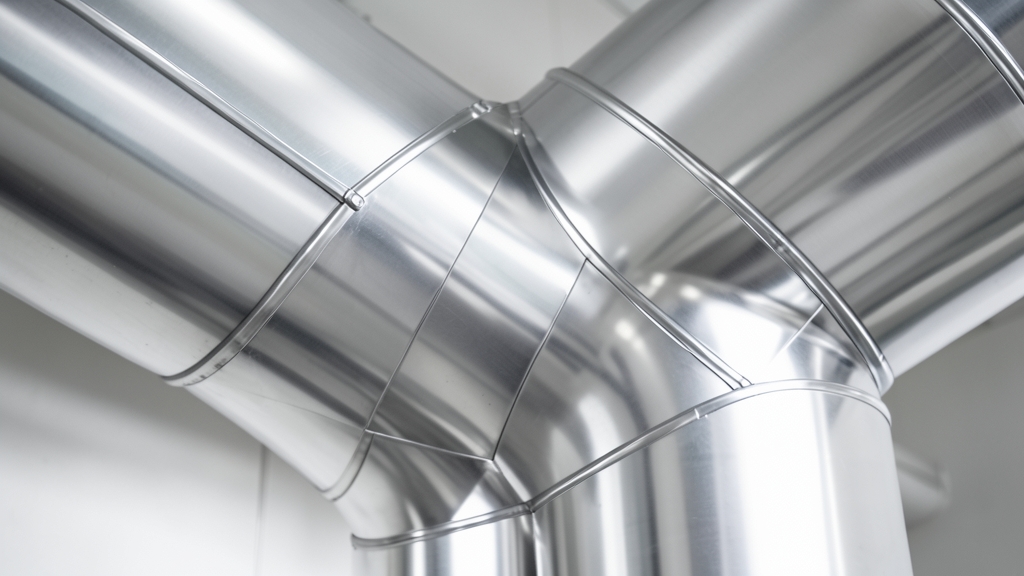
Leaky ductwork wastes energy, strains your HVAC system, and drags down indoor air quality. In our climate—with sweltering summers and frigid winters—sealing ducts properly can cut costs and boost comfort year-round. Here’s how we tackle it, step by step, for homes across the area.
Why Duct Sealing Matters in Our Climate
Wichita’s temperature swings from 100°F summers to sub-freezing winters put immense stress on HVAC systems. Leaky ducts force your unit to work overtime, hiking energy bills and shortening equipment life.
Unsealed ducts also pull in dust, pollen, and even attic insulation fibers, degrading indoor air quality. That’s a real concern for allergy sufferers in Derby, Andover, or Bel Aire.
Signs Your Ductwork Needs Sealing
Uneven heating or cooling between rooms often signals leaks in supply or return ducts. If some areas feel stuffy while others are drafty, it’s a red flag.
Higher-than-usual energy bills without a clear cause can mean conditioned air is escaping into attics, crawl spaces, or basements. Listen for whistling sounds near vents—another leak indicator.
Common Leak Clues
- Inconsistent temperatures room-to-room
- Excessive dust near vents or registers
- Visible gaps or disconnected joints in exposed ductwork
- HVAC system running constantly but struggling to maintain comfort
Duct Sealing Materials: What the Pros Use
Not all sealants are created equal. We rely on mastic sealant for its durability and flexibility—it won’t crack or degrade over time like standard duct tape often does.
For quick repairs on accessible joints, UL-181 foil tape is a solid choice. Avoid cloth-backed duct tape; it fails under temperature extremes common in our region.
| Material | Best For | Lifespan | Temperature Tolerance |
|---|---|---|---|
| Mastic Sealant | Permanent sealing of joints, seams | 10+ years | Extreme heat/cold |
| UL-181 Foil Tape | Temporary fixes, small gaps | 5-7 years | High heat, moderate cold |
| Duct Tape (Cloth-Backed) | Short-term patches only | 1-2 years | Poor in extremes |
| Aerosol Sealant | Hard-to-reach leaks (professional use) | 5-10 years | Wide range |
DIY vs. Professional Duct Sealing
Homeowners can seal exposed ducts in basements or attics with mastic and foil tape. But hidden leaks—common in walls or crawl spaces—require professional tools like a blower door test or duct blaster.
For whole-home sealing, our team uses specialized equipment to pressurize the system, identify leaks, and apply sealant evenly. This ensures no gaps are missed, especially in older homes in Haysville or Park City.
If your ducts are hidden behind walls or in tight spaces, or if you suspect major leaks, professional sealing is the only way to ensure results.
Step-by-Step: Sealing Exposed Ductwork
Start by turning off your HVAC system and inspecting all visible ducts for gaps, disconnections, or damaged sections. Pay special attention to joints, elbows, and transitions.
Clean surfaces thoroughly—dust and debris prevent proper adhesion. Apply mastic with a brush or gloved hand, covering all seams and gaps completely. For foil tape, press firmly to ensure full contact.
Avoid These Common Duct Sealing Mistakes
Over-tightening screws or straps can crush flex duct, restricting airflow. Always use gentle, even pressure when reconnecting sections.
Sealing return ducts but ignoring supply ducts (or vice versa) creates pressure imbalances. Both must be addressed for optimal performance. Also, never seal vents or registers—this blocks airflow entirely.
Improper sealing can cause backdrafting in gas appliances or reduce HVAC efficiency. If unsure, consult a professional before proceeding.
When to Pair Sealing with Other Services
Sealing ducts is the perfect time to address related issues. If you’re already in the attic, check for damaged insulation or signs of mold—common in our humid summers. A quick indoor air quality test can reveal hidden contaminants.
For homes in Derby or Andover with older systems, consider HVAC coil cleaning or dryer vent cleaning alongside duct sealing. These services work together to improve efficiency and air quality.
UV light sanitization and air filter replacement can further enhance the benefits of sealed ductwork, especially for allergy-prone households.
How Often Should You Inspect or Reseal Ducts?
In our climate, we recommend a visual inspection every 2-3 years, especially after severe storms or if you notice performance drops. Resealing is typically needed every 5-10 years, depending on material quality and environmental factors.
Homes with pets, high pollen counts, or frequent HVAC use may need more frequent attention. If you’ve recently renovated or added onto your home, inspect ducts for disconnections or new leaks.
How to Test for Duct Leaks Before Sealing
A simple smoke pencil test can reveal leaks in exposed ductwork.
- 1Gather Tools
You’ll need a smoke pencil (or incense stick), flashlight, and safety gloves. Turn off the HVAC system before starting.
- 2Access Ducts
Locate exposed duct sections in basements, attics, or crawl spaces. Remove any insulation temporarily for better visibility.
- 3Create Smoke
Light the smoke pencil and hold it near duct joints, seams, and connections. Watch for smoke being sucked into or blown out of gaps.
- 4Mark Leaks
Use a marker or tape to flag any areas where smoke escapes or enters the ductwork. These are your priority sealing spots.
- 5Reinspect
After sealing, repeat the test to confirm no smoke escapes. If leaks persist, reapply sealant or consider professional help.
Frequently Asked Questions
How much can I save by sealing my ductwork in Wichita?
Savings vary based on leak severity, system age, and energy rates, but homeowners typically see a 10-20% reduction in heating and cooling costs. Factors like duct location (attic vs. basement) and local climate extremes also play a role. Request a quote for a precise estimate.
Can sealing ducts reduce dust in my home?
Absolutely. Leaky return ducts pull in dust, insulation particles, and allergens from attics or crawl spaces. Sealing them prevents these contaminants from circulating through your home, which is especially helpful in areas like Bel Aire or Park City with high pollen counts.
Is duct sealing a messy job?
It can be, especially in tight or dirty spaces like attics. Mastic sealant is thick and can be tricky to apply neatly. Professionals use drop cloths and containment barriers to minimize mess. If you’re DIY-ing, wear old clothes and lay down protective sheets.
Will sealing my ducts improve my HVAC system’s lifespan?
Yes. Leaky ducts force your system to work harder, increasing wear and tear. By sealing them, you reduce strain on the blower motor, compressor, and other components, potentially extending your HVAC’s life by several years.
Do I need to seal ducts in a new home?
Even new homes can have poorly sealed ducts. Builders sometimes rush installations, leaving gaps or loose connections. If you notice uneven temperatures or high energy bills in a new build, an inspection is worth it—especially in newer subdivisions around Andover or Derby.
What’s the difference between duct sealing and duct cleaning?
Duct cleaning removes dust, debris, and contaminants from inside the ducts, while sealing addresses leaks and gaps in the ductwork itself. Both improve indoor air quality and efficiency, but they solve different problems. Often, we recommend cleaning first, then sealing to prevent future buildup.