Sanitizing Air Ducts in Wichita: Products, Methods, and Safety Tips
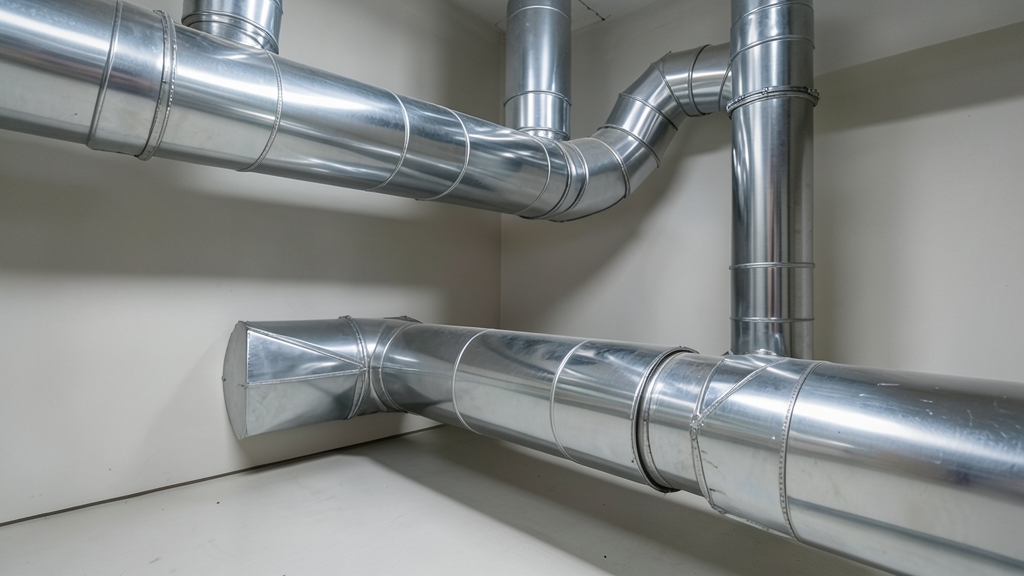
Wichita’s humid summers and dusty winds can turn air ducts into breeding grounds for mold, bacteria, and allergens. Proper sanitizing goes beyond basic cleaning—it targets microscopic contaminants that standard vacuuming misses. We’ll break down the methods, products, and safety steps to restore your system’s hygiene.
Why Sanitize Your Air Ducts in the First Place?
Basic air duct cleaning removes dust and debris, but sanitizing eliminates mold spores, bacteria, and viruses lingering in the system. This is critical in Wichita, where seasonal humidity spikes can accelerate microbial growth inside ductwork.
Sanitization also neutralizes odors from pets, cooking, or tobacco smoke that cling to duct surfaces. Without it, these contaminants recirculate every time your HVAC kicks on, degrading indoor air quality.
EPA-Approved Sanitizing Methods We Use
Fogging is the most common method: a fine mist of EPA-registered disinfectant is sprayed into the ductwork, coating all surfaces. It’s effective for large systems and hard-to-reach areas, like the twists and turns in older homes in Derby or Andover.
UV-C light systems install inside the ductwork or HVAC unit, continuously zapping microbes with ultraviolet radiation. These are ideal for commercial spaces or homes with immune-compromised residents in areas like Bel Aire.
| Method | Effectiveness | Longevity | Best For |
|---|---|---|---|
| Fogging (EPA-registered) | High (kills 99.9% of microbes on contact) | 3-6 months | Residential, post-remediation |
| UV-C Light | Very High (continuous disinfection) | 1-2 years (bulb life) | Commercial, high-risk homes |
| Manual Wiping | Moderate (surface-level only) | 1-3 months | Small systems, spot treatment |
Sanitizing Products: What’s Safe and What’s Not
Only EPA-registered disinfectants should be used in air ducts. Products like hydrogen peroxide-based solutions or quaternary ammonium compounds are proven safe for HVAC systems when applied correctly.
Avoid ozone generators or unregistered chemicals. These can damage duct linings, corrode metal components, or leave harmful residues. In Wichita’s tightly sealed homes, improper chemicals can also trigger respiratory issues.
Household bleach can weaken duct materials and release toxic fumes when mixed with other cleaning agents. Always leave sanitizing to professionals with HVAC-grade products.
When Sanitizing Is a Must (and When It’s Overkill)
Sanitizing is essential after water damage, mold remediation, or if occupants experience unexplained allergies or respiratory issues. Wichita’s occasional basement flooding can introduce mold spores into ductwork, requiring immediate attention.
It’s less critical for routine maintenance unless your home has high humidity, pets, or smokers. In these cases, pairing sanitizing with regular air duct cleaning and air filter replacement maximizes indoor air quality.
Signs You Need Duct Sanitizing
- Visible mold inside ducts or on vents
- Musty odors when HVAC runs
- Unexplained allergy flare-ups indoors
- Recent water damage or flooding near HVAC
- After a professional duct cleaning reveals heavy contamination
Safety First: Prep and Precautions
Before sanitizing, our team seals off supply and return vents to prevent chemical drift into living spaces. We also shut down the HVAC system to avoid spreading contaminants during the process.
Post-treatment, we run the system on fan-only mode for 15–30 minutes to purge any lingering fumes. For UV-C installations, we ensure the light is shielded to prevent exposure to skin or eyes.
While EPA-approved sanitizers are low-toxicity, we recommend vacating the home for 1–2 hours after fogging, especially for those with asthma or chemical sensitivities.
Sanitizing vs. Cleaning: Know the Difference
Air duct cleaning removes physical debris—dust, pet dander, and cobwebs—using brushes, vacuums, and compressed air. It’s the first step before sanitizing, which targets microscopic organisms cleaning can’t eliminate.
Think of it like washing your hands: cleaning is the soap and water; sanitizing is the hand sanitizer that kills germs left behind. In Wichita’s climate, both are often needed to combat pollen and dust mites.
Pairing Sanitizing with Other Services for Maximum Impact
Sanitizing works best alongside a full HVAC hygiene routine. Dryer vent cleaning prevents lint buildup that can harbor mold, while HVAC coil cleaning removes sludge that reduces efficiency and breeds bacteria.
For homes in Park City or Haysville with older systems, we often recommend indoor air quality testing to identify hidden contaminants before sanitizing. UV light and sanitization treatments can then be tailored to the specific issues found.
How to Maintain Sanitized Air Ducts Between Professional Treatments
Keep your ducts cleaner longer with these proactive steps.
- 1Change Air Filters Regularly
Replace 1–3 inch filters every 1–3 months (more often if you have pets or allergies). Use MERV 8–13 filters to trap smaller particles without restricting airflow.
- 2Control Indoor Humidity
Use dehumidifiers in basements and bathrooms to keep humidity below 50%. This slows mold and bacterial growth in ductwork, especially in Wichita’s damp spring and summer months.
- 3Seal Leaks and Gaps
Inspect ductwork for leaks, particularly in attics or crawl spaces. Sealing gaps with mastic or foil tape prevents dust and pests from entering the system.
- 4Vacuum Vents and Registers
Use a hose attachment to vacuum dust from supply and return vents monthly. This reduces the load on your ducts and improves airflow efficiency.
- 5Schedule Annual HVAC Inspections
Have a professional check your system yearly for mold, debris buildup, or mechanical issues. This helps catch problems before they require full sanitizing.
Frequently Asked Questions
Is air duct sanitizing safe for my family and pets in Wichita?
Yes, when performed by professionals using EPA-approved products. We use low-toxicity disinfectants and ensure proper ventilation post-treatment. Pets and family members can return home after 1–2 hours, though those with sensitivities may wait longer.
How long does air duct sanitizing take?
Fogging typically takes 1–2 hours for an average home, plus drying time. UV-C light installation is quicker but requires system compatibility checks. Larger homes or commercial spaces in areas like Derby may take longer.
Can I sanitize my air ducts myself?
We don’t recommend DIY sanitizing. Improper products or techniques can damage ducts or create health hazards. Professionals have the tools and training to do it safely and effectively.
Will sanitizing my ducts improve my HVAC’s efficiency?
Indirectly, yes. By removing microbial buildup and debris, sanitizing helps restore airflow, reducing strain on your system. For direct efficiency gains, pair it with HVAC coil cleaning and air filter replacement.
Does sanitizing remove odors from my Wichita home?
Yes, sanitizing neutralizes odors caused by mold, bacteria, or organic buildup in the ducts. For stubborn smells, we may combine it with odor-specific treatments or deep cleaning of the blower and coils.
How often should I sanitize my air ducts?
Every 3–5 years is typical for most homes, but high-humidity areas or homes with allergies, pets, or smokers may need it every 1–2 years. After water damage or mold remediation, sanitizing is a must.