Rodents in Your Attic? Your Wichita Air Ducts Might Be Compromised
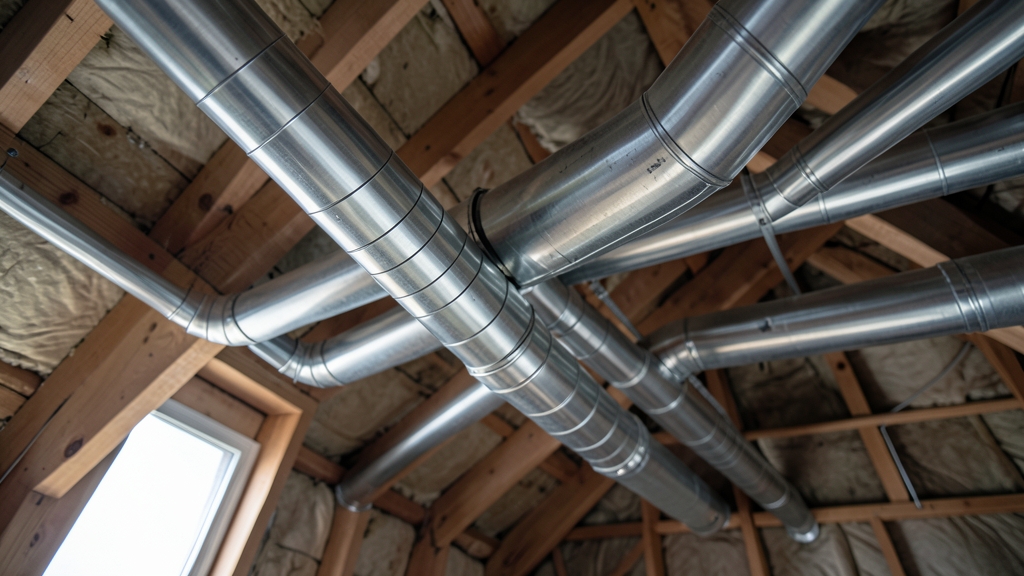
Finding rodent activity in your attic isn’t just a pest problem—it’s a direct threat to your ductwork. Droppings, nests, and urine can spread through your HVAC system, degrading indoor air quality and even damaging components. We’ve seen this firsthand in homes across Wichita, Derby, and Andover, and it’s more common than you think.
How Rodents Enter and Compromise Your Duct System
Rodents access ductwork through gaps in attic insulation, loose vent covers, or poorly sealed registers. Once inside, they treat ducts like highways, leaving behind fur, feces, and nesting materials that clog filters and reduce airflow.
In older Wichita homes, flex ducts are especially vulnerable. Their thin walls are easy for mice and rats to chew through, creating entry points that also compromise the duct’s integrity.
The Hidden Dangers of Rodent-Contaminated Ducts
Rodent waste carries harmful pathogens like hantavirus and salmonella. When your HVAC system kicks on, these contaminants become airborne, circulating through your home and aggravating allergies or respiratory conditions.
Urine and droppings also accelerate mold growth in ductwork, especially in Wichita’s humid summer months. Mold spores then spread via airflow, further degrading indoor air quality.
Never attempt to clean rodent-contaminated ducts without proper PPE. Disturbing dried droppings can release hazardous particles into the air.
Signs Your Ducts Have Been Invaded by Rodents
Unusual scratching or scurrying noises in walls or ceilings near vents are a red flag. You might also notice a musty or ammonia-like odor when the HVAC runs, a telltale sign of urine or decaying nests.
Visible droppings near registers or in the attic are clear evidence. In severe cases, you may see chewed duct sections or insulation pulled into vents—common in attics across Park City and Bel Aire.
Why Standard Air Duct Cleaning Isn’t Enough
Basic duct cleaning removes dust and debris, but rodent contamination requires specialized steps. We use HEPA vacuums, sanitizing agents, and sometimes UV light treatment to neutralize pathogens left behind.
For heavy infestations, we often recommend HVAC coil cleaning and air filter replacement. Rodent hair and dander can cling to coils, reducing efficiency and spreading contaminants even after the ducts are cleaned.
| Service | Standard Duct Cleaning | Rodent Remediation |
|---|---|---|
| Equipment | High-powered vacuum, brushes | HEPA vacuum, sanitizers, PPE |
| Scope | Dust, pollen, general debris | Droppings, nests, pathogens, mold |
| Additional Steps | None | Coil cleaning, UV treatment, filter replacement |
| Safety Protocols | Basic dust control | Full containment, pathogen neutralization |
The Long-Term Impact on Your HVAC System
Rodent damage doesn’t stop at air quality. Chewed ducts lead to air leaks, forcing your HVAC to work harder and driving up energy costs. In Wichita’s extreme seasons, this inefficiency can strain your system prematurely.
Contaminants also foul blower motors and heat exchangers. Over time, this buildup can cause mechanical failures, especially in older systems common in Haysville and Derby.
Preventing Future Rodent Intrusions
Seal all gaps around duct joints, attic hatches, and vent covers with metal mesh or mastic sealant. Rodents can squeeze through openings as small as a quarter, so thoroughness is key.
Install metal ductwork in attics where possible—it’s far harder for pests to penetrate than flex ducts. Regular attic inspections, especially before winter, can catch early signs of activity.
Rodent-Proofing Your Duct System
- Inspect attic and ductwork for gaps or damage annually
- Seal all duct seams and connections with mastic or foil tape
- Replace damaged flex ducts with sheet metal in high-risk areas
- Install mesh screens over all exterior vents and openings
- Schedule seasonal HVAC maintenance, including coil and filter checks
When to Call in the Professionals
If you suspect rodent contamination, it’s critical to act fast. DIY cleanups often miss hidden nests or fail to neutralize pathogens, risking recontamination. Our team uses industrial-grade equipment to ensure a thorough, safe remediation.
We also offer indoor air quality testing post-cleaning to confirm your system is free of harmful particles. For commercial properties in Wichita or surrounding areas, we scale our approach to handle larger duct networks.
Combine duct cleaning with dryer vent cleaning. Rodents often nest in dryer vents, which can reintroduce contaminants into your home if left untreated.
How to Inspect Your Ducts for Rodent Activity
A quick visual check can reveal whether pests have breached your system.
- 1Check Attic and Crawl Spaces
Look for droppings, gnawed insulation, or nesting materials near ductwork. Pay special attention to areas around vents and registers.
- 2Inspect Registers and Vents
Remove vent covers and shine a flashlight into the ducts. Rodent debris often collects near the openings.
- 3Listen for Noises
Turn off the HVAC and listen for scratching or scurrying sounds. Rodents are most active at night, so try this after dark.
- 4Smell for Odors
Run the HVAC and stand near vents. A musty or ammonia-like smell indicates urine or decaying nests in the ducts.
- 5Look for Physical Damage
Examine visible duct sections for chew marks or holes. Flex ducts are particularly susceptible to rodent damage.
Frequently Asked Questions
Can rodent droppings in my ducts make my family sick?
Yes. Rodent waste can carry harmful bacteria and viruses like hantavirus, which become airborne when your HVAC system circulates air. This can trigger allergies, respiratory issues, or more serious illnesses, especially in children or those with compromised immune systems.
How do I know if my Wichita home’s ducts need professional cleaning after a rodent problem?
If you’ve found droppings, nests, or chewed ductwork, professional cleaning is strongly recommended. Even if you’ve removed the rodents, their waste and fur remain, and standard cleaning methods won’t fully neutralize the contaminants.
Will my homeowners insurance cover duct cleaning after rodent damage?
Coverage varies by policy. Some insurers may cover the cost if the damage is part of a larger claim, such as a rodent-caused fire or structural damage. Check your policy and request a quote from us to understand the scope of work needed.
How often should I have my ducts inspected for rodent activity?
We recommend an annual inspection, especially if you live in an older home or an area with high rodent activity, like parts of Andover or Park City. More frequent checks may be needed if you’ve had past infestations.
Can UV light treatment eliminate all contaminants from rodent-infested ducts?
UV light treatment is highly effective at neutralizing mold, bacteria, and some viruses, but it should be part of a comprehensive approach. Physical removal of droppings and nests, followed by sanitization and UV treatment, ensures the most thorough remediation.
What’s the difference between air duct cleaning and rodent remediation?
Standard air duct cleaning focuses on removing dust and debris. Rodent remediation goes further, addressing contamination with specialized equipment, sanitizers, and safety protocols to handle hazardous waste and prevent re-infestation.