Preventing Cross-Contamination in Multi-Tenant Spaces with Professional Duct Cleaning in Wichita
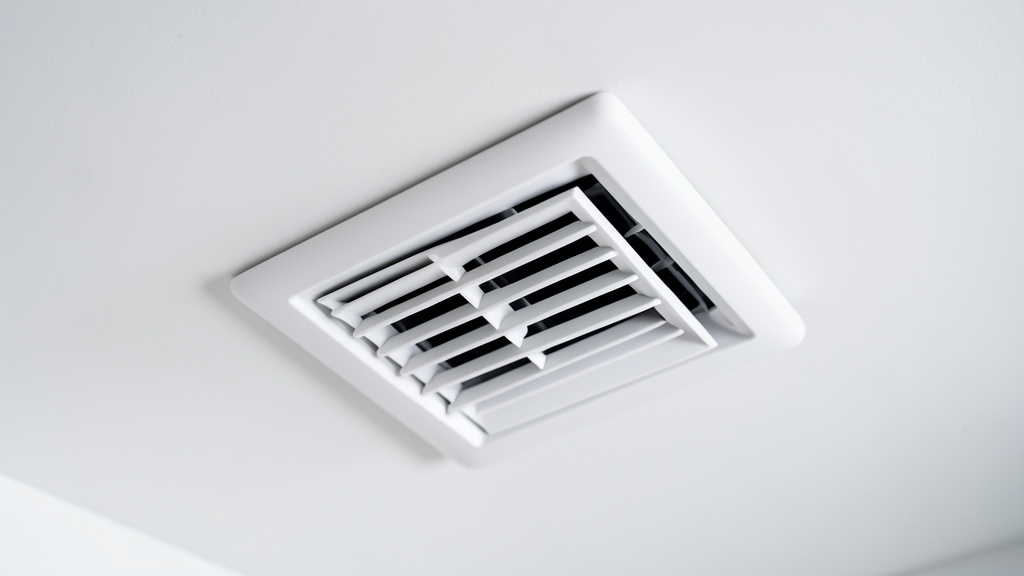
In shared buildings, airborne contaminants don’t respect lease lines. Poorly maintained ductwork turns a single tenant’s issue into a building-wide problem. We specialize in strategies that isolate and eliminate cross-contamination risks in multi-tenant HVAC systems.
Why Cross-Contamination Happens in Shared Duct Systems
Multi-tenant buildings often share central HVAC systems, where supply and return ducts interconnect. Without proper sealing or filtration, pollutants from one unit can migrate to others through leaks, improperly balanced airflow, or backflow in return paths.
Common culprits include construction dust, pet dander, cooking odors, and even mold spores from water-damaged sections. In older buildings around Derby or Park City, aging ductwork and poor initial design exacerbate the problem.
Key Risk Factors in Wichita’s Climate and Building Stock
Our region’s seasonal extremes—humid summers and dry, windy winters—accelerate duct degradation. Moisture from summer humidity can promote mold growth in uninsulated sections, while winter dust storms clog filters faster.
Many local multi-tenant structures, especially in Andover and Bel Aire, were built before modern IAQ standards. Their duct systems often lack the segmentation or access points needed for effective cleaning and containment.
Improperly sealed return ducts can create negative pressure, pulling unfiltered air—and contaminants—from walls, attics, or adjacent units. This is a silent but major driver of cross-contamination.
Professional Strategies to Isolate and Clean Ductwork
We start with a thorough inspection using borescopes and air pressure tests to map the system and identify leaks or shared pathways. This data guides our containment plan, which may include temporary sealing of branches during cleaning.
HEPA-filtered negative air machines capture dislodged particles at the source, preventing redistribution. For stubborn mold or microbial growth, we apply EPA-registered sanitizers or UV light treatment to neutralize contaminants without harsh chemicals.
Duct Cleaning vs. Duct Sealing: What’s the Difference?
While cleaning removes existing contaminants, sealing addresses the root cause of cross-contamination by closing leaks and gaps. In multi-tenant setups, both are often necessary for long-term protection.
| Approach | Primary Goal | Best For | Longevity |
|---|---|---|---|
| Duct Cleaning | Remove accumulated contaminants | Existing buildup, odor, or allergen issues | 6-12 months (varies by usage) |
| Duct Sealing | Prevent airflow leaks between units | Leaky or poorly designed shared systems | 10-15+ years with proper maintenance |
| Combined Approach | Clean + seal for full containment | Multi-tenant buildings with known cross-contamination | Long-term, with periodic cleaning |
The Role of HVAC Coil and Dryer Vent Cleaning
Dirty evaporator or condenser coils reduce airflow efficiency, forcing the system to work harder and pulling more unfiltered air through gaps. Coil cleaning restores performance and reduces the risk of contaminant spread.
Dryer vents are another overlooked vector. Lint and debris can clog shared venting in apartment complexes, creating backpressure that pushes moisture and particles into adjacent units. Regular dryer vent cleaning in Haysville or Park City buildings prevents this.
Coils accumulate dust and microbial films that standard duct cleaning misses. Adding coil cleaning to your maintenance plan improves IAQ and system lifespan.
Indoor Air Quality Testing: Verify the Fix
After cleaning and sealing, we recommend indoor air quality testing to confirm contaminant levels have dropped. Tests for particulates, VOCs, mold spores, and CO2 help validate that cross-contamination pathways have been effectively closed.
For commercial properties or large residential complexes, we can set up continuous monitoring in high-risk zones. This proactive approach is especially valuable in buildings with sensitive occupants, like medical offices or senior housing.
Maintenance Checklist for Property Managers
Preventing cross-contamination isn’t a one-time fix. Regular upkeep is critical, especially in high-occupancy buildings.
Quarterly Multi-Tenant Duct Maintenance
- Inspect and replace air filters (MERV 8-13 for most multi-tenant systems)
- Check duct seals and access panels for gaps or damage
- Test airflow balance between units to detect pressure imbalances
- Schedule dryer vent cleaning for all shared laundry systems
- Review tenant reports of odors, dust, or unexplained allergies
When to Call in Commercial Duct Cleaning Experts
If tenants report persistent odors, unexplained health symptoms, or visible mold near vents, it’s time for a professional assessment. We also recommend commercial duct cleaning after major renovations, water damage, or if the building has never had a full system cleaning.
For newer buildings in areas like Bel Aire, proactive cleaning during tenant turnovers can prevent issues before they start. This is far more cost-effective than reactive fixes after contamination has spread.
How to Inspect Your Multi-Tenant Duct System for Cross-Contamination Risks
A quick visual and functional check can reveal red flags before they become building-wide problems.
- 1Check for Visible Gaps
Remove vent covers and shine a flashlight into ducts. Look for holes, disconnected sections, or light passing through from adjacent units.
- 2Test Airflow Direction
Hold a tissue near supply and return vents while the system runs. If the tissue is pulled toward a return vent in one unit and pushed out in another, you may have a pressure imbalance.
- 3Listen for Unusual Noises
Whistling or whooshing sounds can indicate air escaping through leaks. Hissing may signal a disconnected duct section.
- 4Smell for Cross-Unit Odors
Ask tenants if they notice smells from neighboring units, like cooking odors or cigarette smoke. This is a clear sign of shared airflow paths.
- 5Review Filter Condition
Inspect filters in all units. If some are clogged while others are clean, airflow may be bypassing filters through leaks, spreading contaminants.
- 6Document and Prioritize
Note all issues and their locations. Share findings with a professional to create a targeted cleaning and sealing plan.
Frequently Asked Questions
How often should multi-tenant buildings in Wichita have their ducts cleaned?
We recommend every 3-5 years for most multi-tenant systems, but high-traffic buildings or those with known IAQ issues may need it more frequently. Factors like tenant turnover, local construction, and climate (like our dusty springs) can shorten this interval. Request a quote for a customized schedule.
Can duct cleaning really stop odors from spreading between units?
Yes, but only if combined with proper sealing. Cleaning removes the source of odors, while sealing prevents them from traveling through leaks. In cases of persistent odors, we may also recommend UV sanitization or activated carbon filtration for added control.
Is mold in ductwork a common issue in Wichita buildings?
It can be, especially in older buildings or those with poor insulation. Our humid summers create ideal conditions for mold growth in unconditioned duct sections. If you suspect mold, avoid running the HVAC until a professional can assess and treat it safely.
What’s the difference between residential and commercial duct cleaning for multi-tenant spaces?
Commercial duct cleaning for multi-tenant buildings requires larger equipment, more rigorous containment protocols, and often coordination with building management to minimize tenant disruption. We also focus on shared components like main supply trunks and return plenums that residential cleanings overlook.
Do you serve areas outside Wichita, like Derby or Andover?
Yes, we provide full duct cleaning, sealing, and IAQ services across the metro area, including Derby, Andover, Haysville, Park City, and Bel Aire. Travel time is factored into our quotes, so you’ll know the full scope upfront.
Can UV light treatment be added to existing ductwork?
In most cases, yes. UV-C light systems can be installed in the air handler or ductwork to neutralize mold, bacteria, and viruses as air passes through. This is a great add-on for multi-tenant buildings with recurring IAQ issues, but it should complement—not replace—regular cleaning and maintenance.