NFPA 96 Compliance for Restaurant Ducts in Wichita: What Owners Must Know
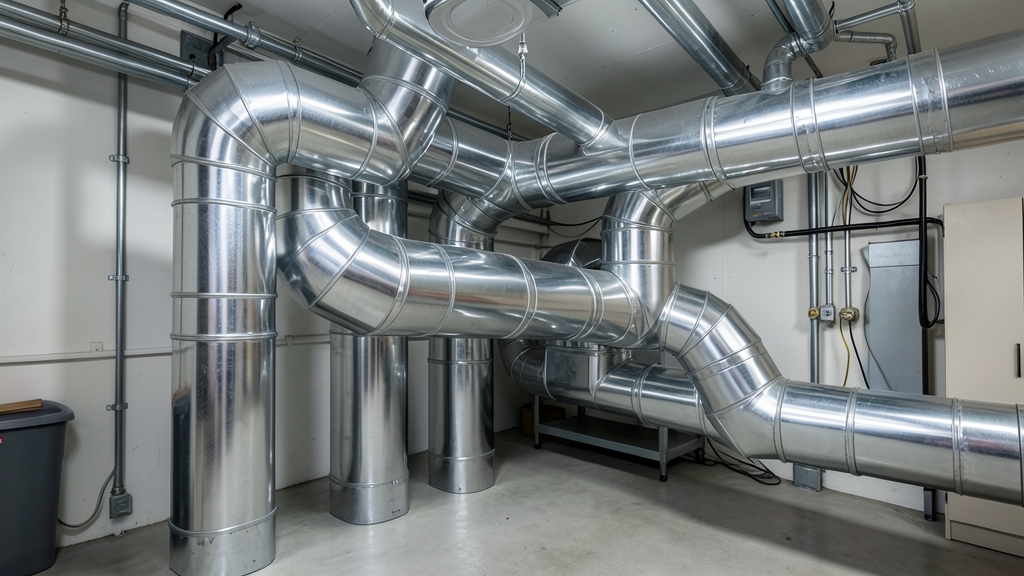
NFPA 96 isn’t just a suggestion—it’s the fire code that keeps Wichita restaurants safe from grease-fueled disasters. If your kitchen exhaust system isn’t inspected and cleaned to standard, you’re risking fines, shutdowns, or worse. We break down what local owners must do to stay compliant and protect their business.
Why NFPA 96 Matters for Wichita Restaurants
NFPA 96 sets the national standard for commercial cooking operations, and Wichita enforces it strictly. The code exists because grease-laden ductwork is a leading cause of restaurant fires—especially in high-volume kitchens.
In our climate, with hot summers and cold winters, grease can solidify and accumulate faster in ducts without proper maintenance. That buildup restricts airflow, overheats equipment, and creates a fire hazard.
Who Needs to Comply with NFPA 96 in Kansas?
Any restaurant with a commercial cooking operation using a Type I hood (for grease-producing appliances) must follow NFPA 96. This includes most full-service kitchens, fast-food chains, and even some food trucks with fixed exhaust systems.
Type II hoods (for non-grease cooking, like steam or electric) have different requirements but still need regular inspections. Wichita’s fire marshal doesn’t make exceptions—compliance is mandatory for all applicable systems.
| Hood Type | Appliances Covered | Inspection Frequency |
|---|---|---|
| Type I | Fryers, grills, charbroilers, woks | Monthly to quarterly, depending on volume |
| Type II | Steamers, ovens, electric ranges | Semi-annually or annually |
| Special Hazard | Solid fuel (wood/charcoal) | Monthly, with additional clearances |
Key NFPA 96 Requirements for Duct Systems
Your exhaust system must be designed, installed, and maintained to NFPA 96 standards. This includes grease ducts, exhaust fans, fire suppression systems, and access panels for cleaning.
Ducts must be constructed of non-combustible materials (typically galvanized steel or stainless) and slope downward toward the hood to prevent grease pooling. Vertical ducts need grease traps or drainage systems.
NFPA 96 mandates access panels every 12–20 feet in horizontal ducts and at every change in direction. Without them, inspections and cleanings can’t meet code—and Wichita inspectors will flag it.
How Often Must Wichita Restaurants Inspect and Clean Ducts?
Frequency depends on your cooking volume and the type of food you prepare. High-volume operations (e.g., 24-hour diners, busy steakhouses) may need monthly cleanings, while lower-volume kitchens might stretch to quarterly.
The Wichita Fire Department often defers to the schedule in NFPA 96 Table 11.6, but they can require more frequent cleanings if inspections reveal excessive grease buildup. Always document every service.
Common NFPA 96 Violations We See in Wichita
Missing or inadequate access panels top the list. Without them, technicians can’t thoroughly clean the system, and inspectors will cite you immediately.
Another frequent issue: grease accumulation on rooftop exhaust fans or in the ductwork just beyond the hood. These areas are often overlooked but are critical fire risks.
We also find many restaurants using non-compliant duct materials or lacking proper fire suppression system tie-ins. NFPA 96 requires UL 300-listed systems for grease-laden environments.
Wichita’s wind and weather can accelerate grease degradation on rooftop components. Schedule a rooftop inspection with every duct cleaning to catch issues early.
What Happens If You’re Not in Compliance?
The Wichita Fire Department can issue a correction notice, fine your business, or even shut down your kitchen until violations are resolved. In severe cases, non-compliance can void your insurance coverage.
Beyond legal risks, grease fires can spread rapidly through ductwork, causing catastrophic damage. The cost of prevention is always lower than the cost of recovery.
How to Choose a Qualified Duct Cleaning Partner
Not all duct cleaners are equipped for NFPA 96 work. Look for a company with certified kitchen exhaust cleaning technicians (CKECT) and experience in commercial systems.
Ask for proof of insurance, references from other Wichita restaurants, and a detailed scope of work that aligns with NFPA 96. They should provide before-and-after photos and a compliance certificate after each service.
Our team serves restaurants across Wichita, Derby, Andover, and Haysville, so we’re familiar with local fire marshal expectations and common system designs in the area.
Vetting a Duct Cleaning Provider
- Certified Kitchen Exhaust Cleaning Technician (CKECT) on staff
- Proof of liability insurance and workers’ comp
- NFPA 96-compliant cleaning methods (no pressure washing in ducts)
- Detailed reports with photos and grease measurements
- Willingness to coordinate with your fire suppression vendor
Beyond Ducts: Related Services for Full Compliance
NFPA 96 compliance often overlaps with other critical services. For example, your fire suppression system must be inspected semi-annually by a licensed provider—separate from duct cleaning.
Indoor air quality testing can reveal hidden issues like mold in ductwork, which is common in Wichita’s humid summers. UV light sanitization treatments can also help control microbial growth in hard-to-clean areas.
Don’t forget dryer vent cleaning for your laundry systems and HVAC coil cleaning to maintain airflow efficiency. Many restaurants in Park City and Bel Aire bundle these services to streamline maintenance.
How to Prepare for an NFPA 96 Duct Inspection in Wichita
A little preparation ensures your inspection goes smoothly and avoids costly surprises.
- 1Review Your Last Cleaning Report
Check the date and grease measurements from your last service. If it’s been more than 90 days (or 30 for high-volume kitchens), schedule a cleaning before the inspection.
- 2Clear Access to All Components
Ensure inspectors can reach hoods, ducts, exhaust fans, and access panels. Move stored items, equipment, or decor that might block access.
- 3Test Fire Suppression Systems
Verify your UL 300 system is operational and has been serviced within the last 6 months. Inspectors will check this as part of NFPA 96 compliance.
- 4Document Everything
Have records of all past cleanings, repairs, and fire suppression inspections ready. Wichita inspectors will ask for this paperwork.
- 5Address Obvious Issues
Fix visible problems like missing access panels, damaged ductwork, or grease buildup on fans. These are instant red flags.
Frequently Asked Questions
Does NFPA 96 apply to food trucks in Wichita?
Yes, if your food truck has a fixed exhaust system with a Type I hood, NFPA 96 applies. Mobile units often have unique challenges, like limited access for cleaning, so work with a provider experienced in mobile kitchens.
How much does NFPA 96-compliant duct cleaning cost for a Wichita restaurant?
Costs vary based on system size, complexity, and grease buildup. Factors include the number of hoods, duct length, access difficulty, and whether you need additional services like rooftop fan cleaning. Request a quote for an accurate estimate.
Can I clean my restaurant’s ducts myself to save money?
No. NFPA 96 requires cleaning by trained individuals using specialized tools. DIY cleaning often misses hidden grease and can damage ducts, voiding compliance. Plus, Wichita inspectors won’t accept self-cleaned systems.
What’s the difference between NFPA 96 and local Wichita fire codes?
NFPA 96 is the national standard, but Wichita may have additional or stricter requirements. For example, the local fire marshal might mandate more frequent inspections in areas with a history of restaurant fires. Always confirm with your provider.
How do I know if my ducts have too much grease buildup?
NFPA 96 allows a maximum of 0.0625 inches (1/16 inch) of grease accumulation in ducts. A professional will measure this during cleaning. If you see visible grease dripping or pooling, it’s past time for a service.
Do I need to shut down my kitchen for duct cleaning?
Not always. Many cleanings can be done during off-hours or in sections to minimize disruption. However, high-volume kitchens or systems with heavy buildup may require temporary shutdowns for safety. Your provider will work with you to schedule efficiently.