Mold in Air Ducts: Prevention, Detection, and Remediation Standards for Wichita Homes
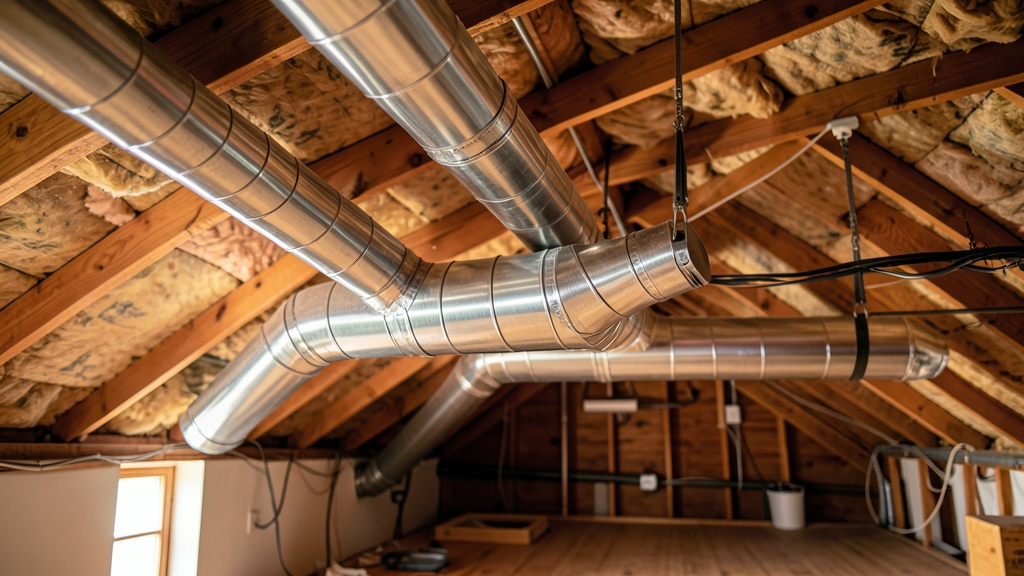
Mold in air ducts is a silent threat to indoor air quality, especially in our humid Kansas summers. Our team sees it often: hidden spores circulating through homes in Wichita, Derby, or Andover, triggering allergies and musty odors. Early detection and proper remediation are key to keeping your system clean and your family healthy.
Why Mold Thrives in Wichita Ductwork
Our region’s high humidity—especially from late spring through early fall—creates ideal conditions for mold growth in ductwork. Poorly sealed ducts or leaks near crawl spaces and basements pull in moist air, feeding spores already present in dust.
Condensation on cooling coils or inside supply ducts accelerates the problem. Without regular HVAC coil cleaning or air filter replacement, organic debris builds up, giving mold a foothold. Even newer homes in Bel Aire or Park City aren’t immune if ventilation is inadequate.
Signs Your Ducts May Have Mold
A persistent musty odor when the HVAC runs is the most common red flag. Unlike dust, mold produces a distinct, earthy smell that lingers even after cleaning.
Visible black or greenish patches around vents, registers, or inside the ductwork during inspections are clear indicators. Don’t confuse this with soot—mold often appears fuzzy or slimy.
Increased allergy symptoms—sneezing, itchy eyes, or respiratory irritation—when indoors can signal airborne spores. These reactions often worsen when the system kicks on.
Mold odors often start subtle but intensify as colonies grow. If you notice a musty scent, schedule an indoor air quality test before spores spread further.
How Mold Spreads Through Your HVAC System
Spores enter the system via return vents, where they’re pulled in with dust and debris. Once inside, they cling to duct walls, coils, and filters, multiplying rapidly in dark, damp environments.
Your HVAC’s airflow then distributes spores to every room, contaminating indoor air. This is why mold in ducts often leads to widespread issues, not just localized hotspots.
Dryer vent cleaning is often overlooked but critical. Lint and moisture in dryer vents can harbor mold, which then backflows into shared ductwork in some home layouts.
Prevention: Controlling Moisture and Debris
Maintain humidity levels below 50% with dehumidifiers, especially in basements and crawl spaces. Our Kansas climate demands proactive moisture control year-round.
Replace air filters every 1-3 months using high-MERV ratings (8-12) to trap spores before they enter the system. Cheap filters won’t cut it for mold prevention.
Ensure proper duct sealing and insulation to prevent condensation. Leaky ducts in attics or crawl spaces are prime mold breeding grounds.
Mold Prevention Checklist
- Use a dehumidifier in damp areas like basements
- Replace HVAC filters every 1-3 months with MERV 8-12
- Seal and insulate all ductwork to prevent condensation
- Schedule annual HVAC coil cleaning and duct inspections
- Install bathroom and kitchen exhaust fans to reduce indoor humidity
Detection Methods: From DIY to Professional Testing
Start with a visual inspection of vents and registers using a flashlight. Look for discoloration or fuzzy growth. Remove a vent cover to check inside the duct if safe to do so.
For deeper investigation, a borescope camera can reveal hidden mold in ductwork. These tools are affordable and provide clear images without damaging your system.
Professional indoor air quality testing is the gold standard. We use spore traps and surface sampling to identify mold types and concentrations, ensuring accurate remediation planning.
| Method | Cost | Accuracy | Best For |
|---|---|---|---|
| Visual Inspection | Free | Low | Initial checks |
| Borescope Camera | Low to Moderate | Moderate | Deeper duct inspection |
| DIY Test Kits | Moderate | Low to Moderate | Quick screening |
| Professional Air Quality Test | Higher | High | Comprehensive analysis |
Local Remediation Standards for Wichita Homes
In Kansas, there are no state-specific mold remediation laws, but we follow EPA and NADCA guidelines. These require containment, HEPA vacuuming, and antimicrobial treatments for affected ducts.
For severe cases, ductwork may need partial or full replacement. This is rare but necessary if mold has compromised the integrity of the material, especially in older homes.
Post-remediation verification is critical. We always recommend a follow-up indoor air quality test to confirm spore levels have returned to safe ranges.
Always choose a technician for duct cleaning and mold remediation who follows industry standards for safety and effectiveness.
When to Call a Professional for Mold in Ducts
If you see visible mold, smell persistent odors, or experience unexplained health symptoms, it’s time to call in experts. DIY cleaning often misses hidden colonies and can stir up spores, worsening the problem.
Professional remediation includes containment to prevent cross-contamination, HEPA filtration to capture spores, and antimicrobial treatments to inhibit regrowth. This is not a weekend project.
For commercial properties in Haysville or Park City, the stakes are higher. Poor indoor air quality can affect employees and customers, making professional intervention non-negotiable.
Long-Term Solutions: UV Lights, Sanitization, and Maintenance
UV light sanitization systems installed in your HVAC can kill mold spores as air passes through. These are highly effective but require professional installation and periodic bulb replacement.
Mold and mildew duct treatments involve applying EPA-approved antimicrobials to clean duct surfaces, preventing regrowth. This is often paired with thorough duct cleaning for maximum impact.
Regular maintenance is your best defense. Schedule annual duct cleaning, coil cleaning, and dryer vent cleaning to keep your system mold-free. Preventative care saves money and health headaches down the line.
Pair UV sanitization with annual duct cleaning and humidity control. No single solution is foolproof, but layered defenses keep mold at bay.
How to Inspect Your Ducts for Mold
A thorough inspection can reveal mold before it becomes a major issue.
- 1Gather Tools
You’ll need a flashlight, screwdriver, and optionally a borescope camera. Turn off the HVAC system before starting to avoid stirring up spores.
- 2Remove Vent Covers
Use a screwdriver to remove vent covers from a few registers. Check for visible mold, dust buildup, or moisture inside the duct opening.
- 3Inspect with a Flashlight
Shine the flashlight into the duct as far as possible. Look for black, green, or white fuzzy growth, which indicates mold.
- 4Use a Borescope (Optional)
Insert the borescope camera into the duct for a deeper view. Take photos or videos of any suspicious areas for further analysis.
- 5Check for Moisture
Feel inside the duct near the opening for dampness. Condensation or wet insulation suggests a moisture problem that needs addressing.
- 6Reassemble and Monitor
Reattach the vent covers and turn the HVAC back on. If you find mold or moisture, contact a professional for testing and remediation.
Frequently Asked Questions
Can mold in air ducts make you sick?
Yes. Mold spores in ductwork can trigger allergies, asthma attacks, and respiratory infections, especially in children, the elderly, or those with compromised immune systems. Symptoms often include coughing, sneezing, and itchy eyes.
How often should I have my ducts cleaned in Wichita?
We recommend annual duct cleaning for most homes, especially if you have pets, allergies, or high humidity. Homes in dusty areas or with recent renovations may need more frequent cleaning.
Is bleach effective for cleaning mold in ducts?
No. Bleach only kills surface mold and can damage duct materials. Professional remediation uses HEPA vacuuming and antimicrobial treatments designed for HVAC systems, ensuring spores are fully removed and regrowth is prevented.
Does homeowners insurance cover mold remediation in Wichita?
It depends on your policy. Most standard policies don’t cover mold unless it’s a direct result of a covered peril, like a burst pipe. Review your policy or request a quote from a local remediation expert to understand your options.
Can I prevent mold by just running my HVAC fan continuously?
Not entirely. While continuous airflow can reduce moisture buildup in some cases, it also spreads existing spores throughout your home. Proper humidity control, filtration, and regular cleaning are far more effective.
Are UV lights safe for my HVAC system and family?
Yes, when installed correctly. UV-C lights are contained within the ductwork and pose no direct exposure risk. They’re a safe, chemical-free way to kill mold, bacteria, and viruses as air passes through.