The Long-Term Health Risks of Ignoring Air Duct Cleaning in Wichita
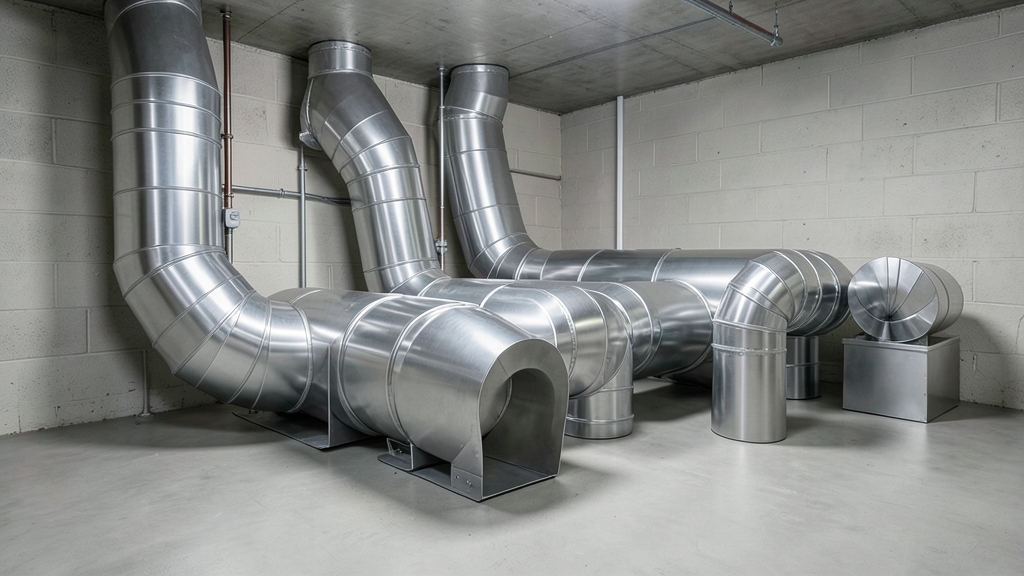
Most homeowners don’t think about their ductwork until something goes wrong. But in our region, where seasonal allergens and dust storms are common, neglected air ducts can silently degrade your indoor air quality—and your health—over years.
How Dirty Ducts Compromise Indoor Air Quality
Your HVAC system circulates air through a network of ducts, and over time, these pathways accumulate dust, pet dander, pollen, and even mold spores. Every time the system kicks on, these contaminants are redistributed throughout your home.
In Wichita’s climate, with its dry summers and windy springs, fine particulate matter from outside easily infiltrates ductwork. Without regular cleaning, these particles build up, reducing airflow efficiency and worsening indoor air quality.
Respiratory Issues Linked to Contaminated Ductwork
Poor indoor air quality doesn’t just cause discomfort—it can trigger or exacerbate chronic respiratory conditions. Dust mites, mold, and bacteria thriving in unclean ducts are known allergens that aggravate asthma and allergies.
Children, the elderly, and those with pre-existing conditions are especially vulnerable. Even healthy individuals may experience persistent coughing, sneezing, or sinus congestion when exposed to contaminated air over time.
If household members experience unexplained respiratory symptoms that improve when away from home, your ducts may be the culprit. Don’t wait for symptoms to worsen.
Mold and Mildew: Silent Threats in Wichita Homes
Humidity fluctuations in Kansas can create ideal conditions for mold growth in ductwork, especially in basements or poorly ventilated areas. Once mold takes hold, spores spread through the system, posing serious health risks.
Mold exposure can lead to long-term issues like chronic sinus infections, skin irritation, and even neurological symptoms in severe cases. Professional mold and mildew duct treatment is often necessary to fully remediate the problem.
Dust and Debris: More Than Just a Nuisance
Dust buildup in ducts isn’t just unsightly—it can damage your HVAC system. Excessive debris forces the system to work harder, reducing its lifespan and increasing energy costs. In extreme cases, clogged filters or vents can even pose a fire hazard.
Regular air filter replacement helps, but it doesn’t address the root of the problem. Only thorough duct cleaning can remove the accumulated layers of dust, fiberglass, and drywall particles that settle in the system over time.
| Contaminant | Source | Health Risk |
|---|---|---|
| Dust mites | Household dust, fabric fibers | Allergies, asthma |
| Pollen | Outdoor air, open windows | Seasonal allergies, respiratory irritation |
| Pet dander | Shedding from pets | Allergic reactions, asthma attacks |
| Mold spores | Moisture in ducts or HVAC | Respiratory infections, chronic sinusitis |
| Volatile Organic Compounds (VOCs) | Cleaning products, new furniture | Headaches, nausea, long-term organ damage |
The Role of Professional Cleaning in Mitigating Risks
While DIY methods like vacuuming vents can provide temporary relief, they don’t reach deep into the ductwork where most contaminants lurk. Professional air duct cleaning uses specialized tools, like high-powered vacuums and brushes, to dislodge and remove debris thoroughly.
For homes in Derby, Andover, or Haysville, where outdoor pollutants are prevalent, professional cleaning is even more critical. We also recommend HVAC coil cleaning and dryer vent cleaning to ensure your entire system operates safely and efficiently.
Ask about UV light and sanitization treatments during your cleaning. These can neutralize mold, bacteria, and viruses, providing an extra layer of protection for your family.
Long-Term Health Benefits of Clean Ducts
Investing in regular duct cleaning isn’t just about avoiding health problems—it’s about creating a healthier living environment. Clean ducts mean cleaner air, which can reduce allergy symptoms, improve sleep quality, and even boost cognitive function.
In the long run, maintaining clean ductwork can also prevent costly HVAC repairs and extend the life of your system. It’s a proactive step that pays off in both health and savings.
Signs Your Ducts Need Immediate Attention
Not sure if your ducts are due for a cleaning? Look for visible dust blowing from vents, musty odors when the HVAC runs, or unexplained spikes in allergy symptoms among household members.
Other red flags include inconsistent airflow, higher-than-usual energy bills, or visible mold growth around vents. If you notice any of these, it’s time to schedule an inspection.
When to Call the Pros
- Visible dust or debris around vents
- Musty or stale odors when HVAC is running
- Increased allergy or asthma symptoms indoors
- Unexplained headaches or fatigue at home
- Mold growth near vents or in ductwork
How Often Should You Clean Your Ducts?
The National Air Duct Cleaners Association (NADCA) recommends cleaning every 3 to 5 years for most homes. However, households with pets, smokers, or residents with allergies may need more frequent service.
In Wichita, where seasonal allergens and dust are constant, annual inspections can help determine if cleaning is needed sooner. Factors like recent renovations, water damage, or moving into a new home can also warrant immediate attention.
How to Maintain Cleaner Ducts Between Professional Cleanings
While professional cleaning is essential, these steps can help keep your ducts in better condition between services.
- 1Replace Air Filters Regularly
Check your HVAC filters every 1-3 months and replace them as needed. High-quality filters can trap more contaminants before they enter the ductwork.
- 2Seal Leaks in Ductwork
Inspect your ducts for leaks or gaps, especially in attics or basements. Sealing these with mastic or foil tape prevents dust and pests from entering.
- 3Control Humidity Levels
Use dehumidifiers in damp areas like basements to prevent mold growth. Aim to keep indoor humidity between 30-50%.
- 4Keep Vents Clear
Ensure furniture, rugs, or curtains aren’t blocking vents. Obstructed airflow can cause dust to settle more quickly in the system.
- 5Schedule Annual HVAC Maintenance
Have a professional inspect your HVAC system annually. This includes checking for mold, debris buildup, and other issues that could affect air quality.
Frequently Asked Questions
Can dirty air ducts make my allergies worse?
Absolutely. Dirty ducts can harbor allergens like pollen, dust mites, and pet dander, which are then circulated throughout your home. This can significantly worsen allergy symptoms, especially during peak seasons in Wichita.
How do I know if my ducts have mold?
Mold in ducts often produces a musty odor when the HVAC system is running. You may also see visible mold growth around vents or experience increased respiratory issues. If you suspect mold, a professional inspection and mold and mildew duct treatment are recommended.
Is air duct cleaning worth the cost?
The cost of duct cleaning depends on factors like the size of your home, the complexity of your ductwork, and the level of contamination. However, the long-term health benefits and improved HVAC efficiency often outweigh the expense. Request a quote to understand your specific needs.
Can duct cleaning help with dust in my home?
Yes. If you find yourself dusting constantly, dirty ducts may be to blame. Cleaning the ductwork removes the source of much of that dust, reducing the amount that settles on your furniture and floors.
Do newer homes in Wichita need duct cleaning?
Even new homes can have contaminated ducts due to construction debris like drywall dust or fiberglass. If you’ve recently moved into a new build in areas like Bel Aire or Park City, an inspection is a good idea to ensure your ducts are clean from the start.
What’s the difference between duct cleaning and HVAC coil cleaning?
Duct cleaning focuses on removing contaminants from the ductwork itself, while HVAC coil cleaning targets the evaporator and condenser coils. Both are important for maintaining indoor air quality and system efficiency, especially in Wichita’s climate.