Infection Control Starts in the Ducts: Air Quality Solutions for Wichita Healthcare Facilities
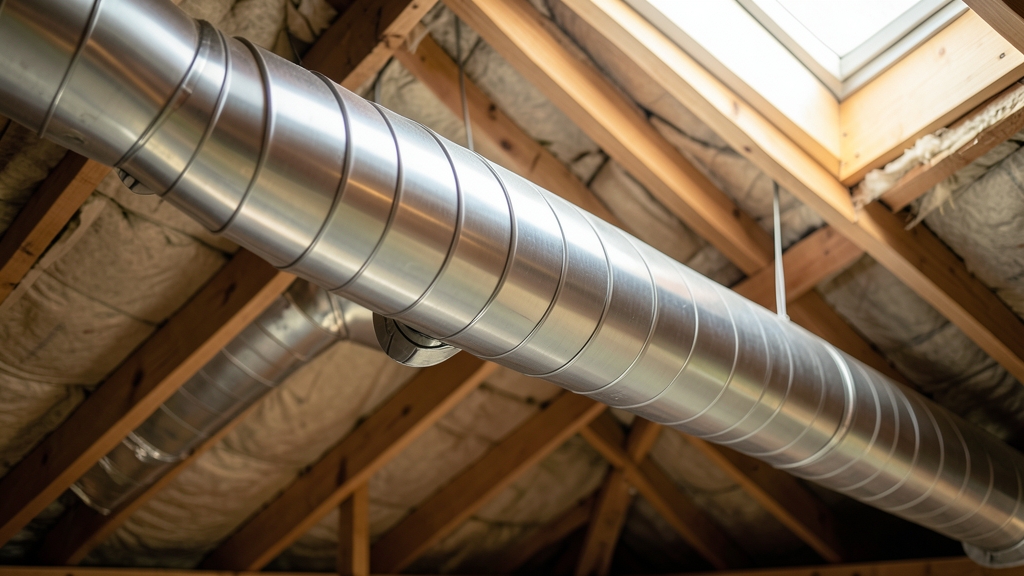
Healthcare facilities in our region face unique air quality challenges, from seasonal allergens to high-stakes infection control. Clean, well-maintained ductwork isn’t just about efficiency—it’s a critical line of defense for patients and staff. We specialize in solutions tailored to these demands.
Why Healthcare Facilities Need Specialized Duct Cleaning
Medical environments demand more than standard residential duct cleaning. Our team targets contaminants like bacteria, viruses, and fungal spores that thrive in HVAC systems, especially in high-humidity areas like Wichita summers.
Poorly maintained ducts can recirculate pathogens, undermining infection control protocols. In spaces like Derby or Andover clinics, even minor lapses can have serious consequences.
Many healthcare standards (e.g., ASHRAE 170) require documented duct cleanliness. Failing inspections can lead to operational disruptions.
Common Contaminants in Medical HVAC Systems
Dust and debris are the visible tip of the iceberg. In healthcare settings, we often encounter mold colonies in damp duct sections, especially after Wichita’s humid springs.
Bacterial biofilms can form on coils and vents, while particulate matter from construction or renovations (common in growing areas like Park City) clogs filters rapidly.
Our Healthcare-Grade Cleaning Process
We start with a thorough inspection using borescopes to assess duct integrity and contamination levels. This step is critical for facilities in older buildings, like those in downtown Wichita.
Next, we deploy HEPA-filtered negative air machines to contain pollutants during cleaning. All debris is captured and removed—never recirculated.
Key Steps in Medical Duct Cleaning
- Pre-cleaning IAQ assessment and microbial testing
- Sealing and isolating HVAC sections to prevent cross-contamination
- Agitation and removal of debris with specialized tools
- Application of EPA-approved disinfectants for microbial control
- Post-cleaning verification with particle counters
Duct Cleaning vs. Full IAQ Solutions: What’s the Difference?
While duct cleaning removes existing contaminants, a full IAQ solution addresses root causes. For example, high humidity in Bel Aire facilities may require dehumidification upgrades alongside cleaning.
UV-C light installations can provide ongoing sanitization, reducing the need for frequent cleanings in high-risk areas like isolation rooms.
| Service | Focus | Best For | Frequency |
|---|---|---|---|
| Standard Duct Cleaning | Removal of accumulated debris | General maintenance in low-risk areas | Every 3-5 years |
| Healthcare-Grade Duct Cleaning | Pathogen and microbial removal | Clinics, hospitals, labs | Every 1-2 years or as needed |
| UV-C Sanitization | Ongoing microbial inactivation | High-risk zones (ICUs, ORs) | Continuous |
| IAQ Testing + Remediation | Identifying and fixing root causes | Facilities with recurring issues | As needed |
The Role of Dryer Vent and Coil Cleaning in Infection Control
Laundry systems in healthcare facilities produce lint and moisture—perfect breeding grounds for mold. Regular dryer vent cleaning in Wichita-area hospitals prevents these contaminants from entering the HVAC system.
Evaporator and condenser coils often harbor biofilms. Our coil cleaning process uses non-corrosive cleaners to restore airflow without damaging sensitive equipment.
Schedule coil cleaning during low-occupancy periods. This minimizes disruption and allows for proper drying time.
Local Challenges: Wichita’s Climate and Healthcare IAQ
Our region’s temperature swings and seasonal allergens (like ragweed in fall) stress HVAC systems year-round. Facilities in Haysville or Andover may see faster duct degradation due to these conditions.
Winter’s dry air can increase static cling, pulling more particulates into ducts. Conversely, summer humidity promotes microbial growth if moisture isn’t controlled.
Commercial Duct Cleaning for Non-Hospital Facilities
Not all medical spaces are hospitals. Dental offices in Park City, physical therapy clinics in Derby, and long-term care facilities in Bel Aire also require specialized attention.
These spaces often have unique HVAC configurations, like VAV systems, that need tailored cleaning approaches to avoid damaging components.
How to Prepare Your Facility for Professional Duct Cleaning
Proper preparation ensures a smooth, effective cleaning process with minimal disruption.
- 1Schedule During Low-Traffic Periods
Coordinate with our team to pick a time that minimizes impact on patients and staff. Evenings or weekends often work best.
- 2Clear Access to Vents and HVAC Components
Remove obstructions like furniture or equipment from around vents, air handlers, and return grilles.
- 3Notify Staff and Patients
Post signs about the upcoming work, especially in sensitive areas. Explain that the process improves air quality and safety.
- 4Secure Sensitive Areas
Seal off rooms with immune-compromised patients or sterile equipment. Our team can help design containment barriers.
- 5Review the Cleaning Plan
Confirm the scope of work, including any add-ons like coil cleaning or UV sanitization, and verify compliance documentation requirements.
Frequently Asked Questions
How often should a Wichita healthcare facility have its ducts cleaned?
It depends on usage and risk level. High-traffic hospitals may need annual cleaning, while smaller clinics in areas like Andover or Derby might stretch to 18–24 months. Request a quote for a tailored assessment.
Can duct cleaning help with Legionella prevention?
Yes. Legionella thrives in stagnant water within HVAC systems. Our process includes inspecting drain pans and coils for moisture, then applying antimicrobial treatments to inhibit bacterial growth.
What’s the difference between residential and healthcare duct cleaning?
Healthcare cleaning uses medical-grade disinfectants, stricter containment protocols, and often includes IAQ testing. We also adhere to ASHRAE 170 and other healthcare-specific standards.
Do you serve facilities outside Wichita proper?
Absolutely. We regularly work in Derby, Andover, Haysville, Park City, and Bel Aire, among other nearby areas. Travel doesn’t impact our service quality or standards.
Is UV light sanitization worth the investment for a small clinic?
For clinics with high-risk patients or frequent outbreaks, UV-C can be cost-effective by reducing cleaning frequency and improving air quality. We’ll evaluate your specific needs during the quote process.
How do you ensure no contaminants are left behind after cleaning?
We use HEPA-filtered vacuum systems and perform post-cleaning verification with particle counters and microbial swabs. Documentation is provided for compliance records.