How to Maintain Clean Air Ducts in Your Wichita Home Between Professional Cleanings
Even the cleanest Wichita homes battle dust, pollen, and seasonal allergens that settle in ductwork. Between our professional cleanings, a few proactive steps can keep your system running efficiently and your air fresher. We’ll show you how to maintain those gains without voiding warranties or risking damage.
Why Duct Maintenance Matters Year-Round in Kansas
Wichita’s swings from humid summers to dry, windy winters mean your HVAC works overtime. Dust, dander, and even agricultural particles get pulled into the system, reducing airflow and forcing your blower motor to labor harder.
Poorly maintained ducts don’t just circulate allergens—they can harbor mold spores in condensation-prone areas, especially if your system struggles with humidity control. That’s why consistent upkeep is non-negotiable here.
The Role of High-Quality Air Filters in Duct Health
Your filter is the first line of defense against debris entering the ductwork. Cheap fiberglass filters catch little more than large particles; pleated filters with a MERV 8–13 rating trap finer contaminants without restricting airflow in most residential systems.
In homes with pets, allergies, or nearby construction in areas like Derby or Andover, consider upgrading to a MERV 11–13. Just monitor static pressure—too restrictive a filter can strain your HVAC, reducing efficiency.
| Filter Type | MERV Rating | Best For | Replacement Frequency |
|---|---|---|---|
| Fiberglass | 1–4 | Basic dust control | Monthly |
| Pleated | 5–8 | General household use | Every 2–3 months |
| Pleated (High-Efficiency) | 9–12 | Allergy sufferers, pets | Every 1–2 months |
| HEPA | 13+ | Medical-grade filtration | Per manufacturer (often requires system modifications) |
Regular Filter Changes: The Simplest Duct Protection
Set a calendar reminder to check filters every 30 days. In peak seasons—summer and winter—inspect them monthly. A clogged filter not only lets dirt bypass into ducts but also increases energy use by 5–15%.
If you’re in a dustier area like Haysville or near active farmland, you may need to replace filters more often. Look for visible dirt buildup or a grayish tint as your cue.
Write the installation date on the filter frame with a marker. This removes the guesswork and keeps your maintenance on track.
Vent and Register Upkeep Between Cleanings
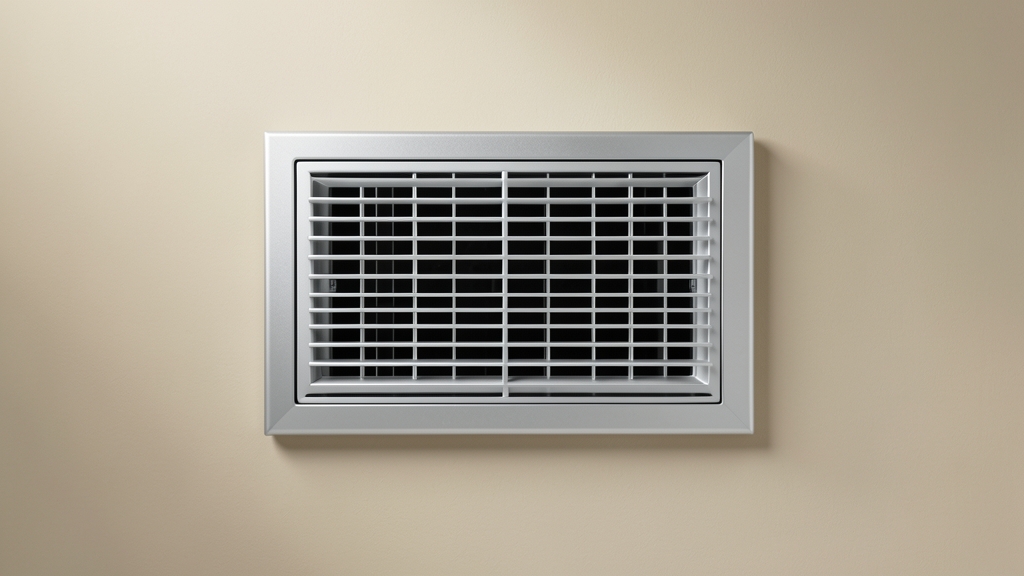
Supply and return vents collect dust and pet hair that can be vacuumed away with a brush attachment. Use a damp microfiber cloth to wipe grilles, but avoid harsh chemicals that can damage finishes or leave residues in the airflow.
Ensure all registers are open and unobstructed by furniture or rugs. Closed or blocked vents create pressure imbalances, forcing air to seek alternate paths and pulling in unfiltered dust.
Controlling Humidity to Prevent Mold and Mildew
Wichita’s summer humidity can lead to condensation in ductwork, especially in basements or crawl spaces. Standing moisture breeds mold and mildew, which then spread spores through your home.
Use a dehumidifier in damp areas and ensure your HVAC’s drain line is clear. If you notice musty odors, consider a professional mold and mildew duct treatment before the problem spreads.
Never use household cleaners or bleach in ducts. These can damage components and leave harmful residues. Mold remediation in ductwork requires specialized equipment and expertise.
Seal and Insulate Ductwork to Reduce Contaminant Entry
Leaky ducts in attics, basements, or crawl spaces pull in unfiltered air from insulations, pest droppings, or outdoor pollutants. Sealing gaps with mastic sealant or metal tape (not duct tape) prevents this infiltration.
Proper insulation also reduces condensation risk by keeping duct surfaces closer to the air temperature inside. This is especially critical in older homes in Park City or Bel Aire with aging ductwork.
When to Schedule Professional Duct Cleaning in Wichita
Even with diligent maintenance, ducts need professional cleaning every 3–5 years—or sooner if you notice visible mold, pest infestations, or excessive dust buildup. Homes with smokers, pets, or recent renovations may require more frequent service.
If you’re unsure about your duct’s condition, an indoor air quality test can reveal hidden contaminants. We also recommend pairing duct cleaning with HVAC coil cleaning and dryer vent cleaning for a full-system refresh.
Signs It’s Time for Professional Duct Cleaning
- Visible mold growth inside ductwork or on components
- Unexplained increase in dust or allergies
- Musty or stale odors when HVAC runs
- Rodent or insect droppings near vents
- Reduced airflow from supply registers
The Impact of Clean Ducts on Energy Efficiency and Comfort
The U.S. Department of Energy estimates that 25–40% of energy used for heating or cooling is wasted due to contaminated or leaky ducts. Clean, well-sealed ductwork improves airflow, reducing runtime and lowering utility costs.
In Wichita’s climate, that efficiency gain also means more consistent temperatures and fewer hot or cold spots. It’s a win for both comfort and your wallet.
How to Inspect Your Ducts for Common Issues
A quick visual check can reveal problems before they escalate.
- 1Turn Off the HVAC System
Safety first. Switch off power at the thermostat and breaker to prevent the blower from activating during inspection.
- 2Remove and Inspect Vent Covers
Use a screwdriver to remove a few supply and return vent grilles. Shine a flashlight inside to check for dust buildup, mold, or debris.
- 3Check for Visible Mold or Moisture
Look for dark spots, white fungal growth, or water stains. These indicate mold or condensation issues requiring professional attention.
- 4Test Airflow
Turn the system back on and hold a tissue near the vents. Weak airflow may signal blockages or duct leaks.
- 5Listen for Unusual Noises
Whistling or rattling sounds can indicate loose duct sections or obstructions. Address these promptly to avoid further damage.
- 6Reassemble and Monitor
Secure all vent covers and restore power. Note any issues and schedule a professional inspection if needed.
Frequently Asked Questions
How often should I replace my air filter in Wichita’s climate?
For most homes, replace standard 1–2 inch filters every 1–3 months. In high-pollen seasons or with pets, check monthly. Homes in windy areas like Andover or near construction zones may need more frequent changes.
Can I use a shop vacuum to clean my ducts myself?
We don’t recommend it. Household vacuums lack the power and reach to clean ductwork thoroughly, and improper tools can damage ducts or dislodge contaminants further into the system. Professional equipment uses high-powered vacuums and agitation tools designed for ductwork.
What’s the difference between duct cleaning and HVAC coil cleaning?
Duct cleaning focuses on removing debris from the ductwork itself, while coil cleaning targets the evaporator and condenser coils in your HVAC unit. Dirty coils reduce efficiency and can lead to system breakdowns. Both services complement each other for optimal performance.
Do air purifiers help if my ducts are dirty?
Air purifiers can capture some airborne particles, but they won’t address contaminants already settled in your ductwork. For long-term improvement, pair an air purifier with regular duct maintenance and professional cleanings.
Why do my ducts get dirtier faster in summer?
Summer in Wichita means higher humidity and increased HVAC usage. The constant airflow pulls in more dust, pollen, and outdoor pollutants. Condensation in ducts can also promote mold growth, accelerating contamination.
Is duct cleaning necessary for newer homes in Wichita?
Even new homes can have duct contamination from construction debris, drywall dust, or poor installation. If you notice dust buildup or allergies, an inspection is wise. Many builders recommend a duct cleaning after the first year to remove residual particles.