The Homeowner’s Guide to Diagnosing Dirty Ducts in Wichita
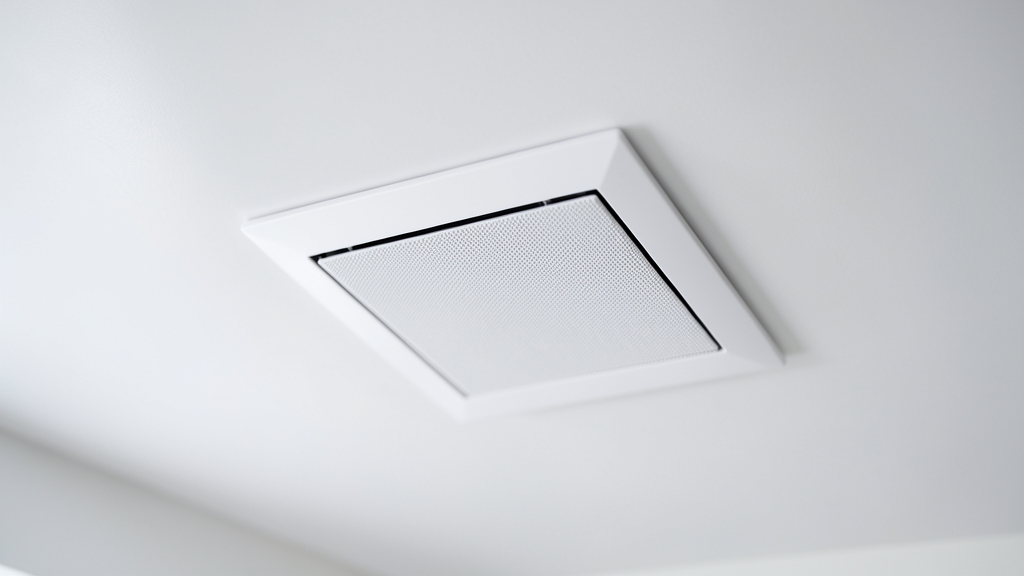
Your home’s ductwork silently circulates air through every room, but when contaminants build up, they can trigger allergies, reduce efficiency, and even damage your HVAC system. Recognizing the early signs of dirty ducts helps you act before small issues become costly problems.
Why Wichita Homes Are Prone to Duct Contamination
Our region’s seasonal extremes—hot, dusty summers and cold, dry winters—force HVAC systems to run longer, pulling in more airborne particles. Pollen, dust, and even agricultural debris from surrounding areas can accumulate faster than in milder climates.
Older neighborhoods like Riverside or College Hill often have aging ductwork with gaps or poor seals, which worsen contamination. Even newer homes in Derby or Andover aren’t immune if filters aren’t maintained.
Visible Signs Your Ducts Need Attention
Peek inside your supply and return vents. If you see thick dust, pet hair, or dark streaks, your ducts are likely clogged. These deposits restrict airflow and force your system to work harder.
Check for mold growth, especially in basements or crawl spaces where humidity is higher. Mold in ducts isn’t just unsightly—it can spread spores throughout your home, aggravating respiratory issues.
Black or greenish patches inside ducts or around vents require immediate attention. Mold remediation often involves specialized treatments like UV sanitization or antimicrobial sprays.
The Hidden Symptoms of Dirty Ducts
Unexplained spikes in allergy or asthma symptoms—especially in spring or fall—can signal poor indoor air quality. Dust mites, pollen, and pet dander trapped in ducts recirculate every time your system runs.
Inconsistent heating or cooling between rooms often points to blocked ducts. If one bedroom is always colder or your living room feels stuffy, debris may be restricting airflow to certain vents.
A musty odor when the HVAC kicks on is a red flag. This smell usually means mold, mildew, or trapped organic matter in the ductwork. Even a faint, lingering scent warrants an inspection.
Dust vs. Debris: What’s Normal and What’s Not
A thin layer of dust on vents is typical, but if you’re dusting surfaces weekly and still seeing buildup, your ducts may be the culprit. Fine particulate matter from Wichita’s windy days can overwhelm standard filters.
| Contaminant | Source | Risk Level |
|---|---|---|
| Dust and dirt | Outdoor air, foot traffic, pets | Low to moderate |
| Pollen | Seasonal blooms, open windows | Moderate (allergy trigger) |
| Pet dander | Shedding from cats, dogs, etc. | Moderate to high |
| Mold spores | High humidity, water leaks, poor ventilation | High |
| Construction debris | Renovations, new builds | Moderate (can damage HVAC) |
| Rodent droppings | Pests in attics or crawl spaces | High (health hazard) |
When to Call a Professional for Duct Inspection
If you notice any of the warning signs above, it’s time for a professional inspection. Our team uses high-resolution cameras to assess ductwork in hard-to-reach areas, like behind walls or in attics.
We also evaluate related components—blower motors, coils, and air handlers—since dirty ducts often mean these parts are contaminated too. HVAC coil cleaning and dryer vent cleaning are frequently needed alongside duct services.
For commercial properties in Park City or Bel Aire, regular duct maintenance is critical. Larger systems accumulate debris faster and can impact employee health and productivity.
Plan a duct inspection after home renovations, a pest infestation, or water damage. These events introduce unusual contaminants that standard cleaning may not address.
DIY Checks You Can Do Today
Start with a simple filter check. If your filter is gray or black after a month, your ducts are likely dirty too. Replace it immediately—this is the first line of defense.
Remove vent covers and use a flashlight to inspect the first few feet of ductwork. Look for excessive dust, webs, or signs of pests. Avoid probing too far; you can dislodge debris and worsen the problem.
Test airflow by holding a tissue near the vents. Weak airflow could indicate blockages. Compare output between rooms to spot inconsistencies.
What to Expect During a Professional Duct Cleaning
We begin with a thorough inspection to identify problem areas and the extent of contamination. This step ensures we tailor the cleaning to your home’s specific needs.
Using powerful vacuums and specialized brushes, we dislodge and remove debris from every part of your duct system, including branches and trunk lines. Negative air pressure keeps contaminants from spreading during the process.
For stubborn mold or bacteria, we may recommend mold and mildew duct treatment or UV light sanitization. These add-ons improve indoor air quality and prevent regrowth.
Finally, we replace or upgrade air filters and may suggest indoor air quality testing for homes with persistent issues. This is especially useful in older Wichita homes with unknown duct histories.
Post-Cleaning Maintenance
- Replace air filters every 1-3 months (more often if you have pets or allergies)
- Seal any gaps or leaks in ductwork to prevent future contamination
- Consider a whole-home air purifier for added protection
- Schedule annual HVAC maintenance, including coil and blower cleaning
How Often Should You Clean Your Ducts?
The National Air Duct Cleaners Association (NADCA) recommends cleaning every 3 to 5 years for average homes. However, Wichita’s climate and local conditions may shorten this interval.
Households with pets, smokers, or allergy sufferers should aim for every 2 to 3 years. Similarly, homes in dusty areas or near construction zones benefit from more frequent cleanings.
If you’ve recently moved into an older home in areas like Midtown or East Wichita, consider an inspection within the first year. Previous owners may not have maintained the system properly.
How to Test for Poor Airflow in Your Ducts
A simple airflow test can reveal blockages or inefficiencies in your ductwork.
- 1Gather tools
You’ll need a flashlight, a tissue or thin paper, and a notepad to record observations.
- 2Inspect vents
Remove vent covers and shine a flashlight into the ducts. Note any visible dust, debris, or obstructions.
- 3Test airflow
Hold a tissue 1-2 inches from each vent. Strong airflow should hold the tissue steady. Weak or no movement suggests a blockage.
- 4Compare rooms
Check vents in multiple rooms. Significant differences in airflow strength may indicate duct damage or clogs in specific branches.
- 5Check the return
Test your return vents too. Poor return airflow can reduce system efficiency and lead to uneven heating or cooling.
- 6Document findings
Record which vents have weak airflow and any visible debris. This helps professionals target problem areas during cleaning.
Frequently Asked Questions
Can dirty ducts make my allergies worse?
Absolutely. Ducts filled with dust, pollen, or pet dander recirculate these allergens throughout your home every time the HVAC runs. Many Wichita residents see allergy symptoms improve significantly after a thorough duct cleaning.
How do I know if my ducts have mold?
Visible mold inside vents or a musty odor when the system is running are clear signs. However, mold can also hide in less accessible areas. If you suspect mold, a professional inspection with a borescope camera can confirm and determine the extent.
Is duct cleaning worth it for newer homes in Andover or Derby?
Even new homes can have dirty ducts, especially if construction debris wasn’t fully removed or if the HVAC was run without a filter installed. If you notice dust buildup or poor airflow, an inspection is a smart investment to protect your system’s longevity.
Will cleaning my ducts lower my energy bills?
Yes, if your ducts are significantly clogged. Restricted airflow forces your HVAC to work harder, increasing energy consumption. While savings vary, many homeowners notice a difference in efficiency after cleaning, especially in older systems.
Can I clean my ducts myself?
DIY duct cleaning is limited to surface-level debris near the vents. Most homeowners lack the equipment to reach deep into the system, and improper cleaning can damage ducts or spread contaminants. For a thorough job, professional tools and expertise are essential.
What’s the difference between duct cleaning and HVAC coil cleaning?
Duct cleaning focuses on the ductwork that distributes air, while HVAC coil cleaning targets the evaporator and condenser coils, which are critical for heat exchange. Both services improve efficiency and air quality, and they’re often recommended together for optimal results.