EPA-Approved Methods to Remove Contaminants from Your Air Ducts in Wichita
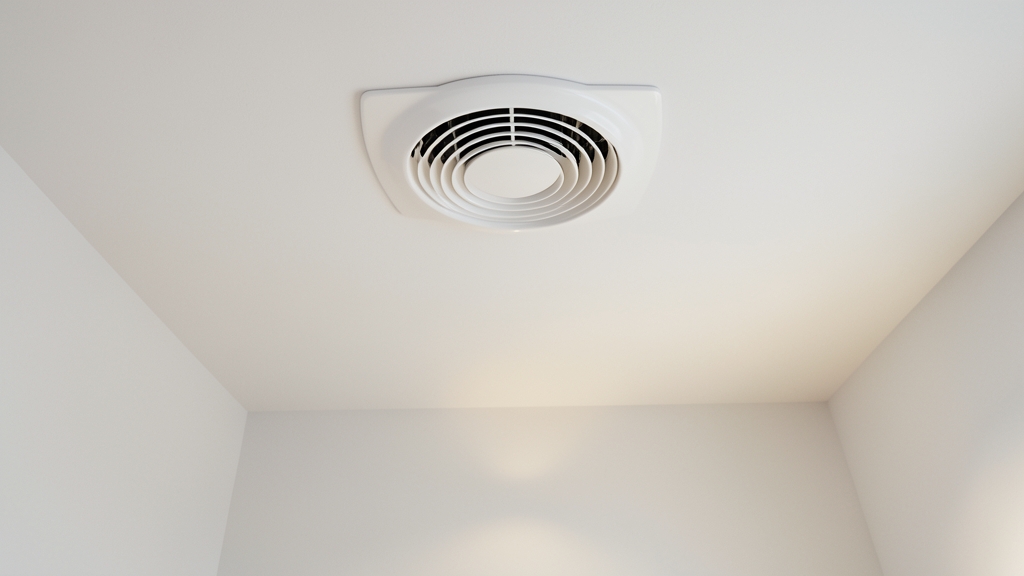
Indoor air can be two to five times more polluted than outdoor air, and in Wichita’s seasonal climate, contaminants like dust, pollen, and mold thrive in ductwork. We use EPA-approved methods to safely remove these pollutants, restoring airflow and protecting your HVAC system’s efficiency.
Why EPA-Approved Air Duct Cleaning Matters
The EPA recommends professional duct cleaning when visible mold, excessive dust, or pest infestations are present. These issues are common in our region, where humidity and temperature swings accelerate buildup in HVAC systems.
Improper cleaning can dislodge contaminants without fully removing them, worsening indoor air quality. EPA-approved methods ensure particles are captured, not redistributed.
The EPA does not endorse duct cleaning for all homes but confirms it is necessary when contaminants are present. Always use professionals.
EPA-Recognized Contaminants in Local Ducts
Wichita homes often battle dust mites, pet dander, and pollen—especially in spring and fall. These particles cling to duct walls, reducing airflow and triggering allergies.
Mold and mildew are also concerns, particularly in basements or after water damage. The EPA warns that moldy ducts can spread spores throughout your home, aggravating respiratory issues.
Step-by-Step: EPA-Approved Cleaning Process
We start with a thorough inspection using cameras to identify problem areas in supply and return ducts. This helps us target cleaning where it’s needed most.
High-powered HEPA vacuums create negative air pressure, pulling contaminants out of the system. Agitation tools like brushes and air whips dislodge stubborn debris without damaging ductwork.
For mold or bacterial growth, we apply EPA-registered sanitizers or UV-C light treatments. These methods are proven to neutralize harmful microorganisms without leaving harmful residues.
Tools and Techniques Backed by the EPA
HEPA filtration vacuums are non-negotiable. They trap 99.97% of particles as small as 0.3 microns, including dust, pollen, and mold spores.
Agitation devices must be matched to duct material—soft brushes for flexible ducts, stiffer tools for sheet metal. Improper tools can cause costly damage.
| Tool | Purpose | Best For |
|---|---|---|
| HEPA Vacuum | Captures fine particles | All duct types |
| Rotary Brush | Dislodges caked-on debris | Metal ducts |
| Air Whip | Loosens dust in tight spaces | Flexible ducts |
| Compressed Air Nozzle | Blows out loose contaminants | Supply vents |
| UV-C Light | Kills mold/bacteria | Post-cleaning sanitization |
When to Consider Additional Services
Duct cleaning often reveals issues in connected systems. If we spot mold in your ducts, a full mold and mildew treatment may be needed to prevent regrowth.
Clogged dryer vents are another common find. Lint buildup restricts airflow, increasing fire risks—especially in older homes in Derby or Andover. We recommend dryer vent cleaning alongside duct work.
For homes with persistent allergies, indoor air quality testing can pinpoint hidden pollutants. HVAC coil cleaning and air filter replacement also improve system performance.
Schedule duct cleaning in early spring or late fall. This prepares your HVAC for peak seasonal use and reduces pollen circulation.
What the EPA Says About DIY Duct Cleaning
The EPA strongly advises against DIY duct cleaning. Household vacuums lack the power to reach deep into ducts, and improper tools can damage HVAC components.
Store-bought chemical sprays may mask odors but often leave harmful residues. Professional-grade sanitizers are EPA-registered and applied with precision.
Never use bleach or household cleaners in ducts. These can corrode metal and release toxic fumes into your home.
Signs Your Wichita Home Needs Duct Cleaning
Visible dust or debris blowing from vents is a clear red flag. So is a musty odor when the HVAC runs, which often signals mold or mildew.
Unexplained allergy flare-ups or respiratory issues can also point to contaminated ducts. Pets, recent renovations, or water damage increase the likelihood of buildup.
Reduced airflow or inconsistent temperatures between rooms may indicate blockages in your ductwork. These issues strain your HVAC, raising energy costs.
Check for These Warning Signs
- Dust puffs from vents when HVAC starts
- Musty or stale odors in your home
- Visible mold near vents or ductwork
- Increased allergy or asthma symptoms
- Higher-than-usual energy bills
How Often Should You Clean Your Ducts?
The EPA doesn’t set a fixed schedule, but NADCA recommends cleaning every 3–5 years for average homes. In Wichita, homes with pets, smokers, or allergy sufferers may need it more often.
After major renovations or water damage, immediate cleaning is critical. Construction dust and moisture create ideal conditions for mold growth in ducts.
How to Prepare for Professional Air Duct Cleaning
A little prep ensures we can work efficiently and thoroughly.
- 1Clear the Area
Move furniture, rugs, and valuables away from vents and the HVAC unit. This gives us full access to all components.
- 2Change Your Air Filter
Replace your HVAC filter before we arrive. A fresh filter prevents contaminants from recirculating during cleaning.
- 3Secure Pets
Keep pets in a separate room or outside. The noise and activity can stress animals, and loose pets may interfere with equipment.
- 4Turn Off HVAC
Switch off your system at the thermostat and breaker. This ensures safety and allows us to inspect ducts without airflow interference.
- 5Point Out Problem Areas
Let us know about any specific concerns, like musty odors or visible mold. This helps us prioritize areas during cleaning.
- 6Plan for Downtime
The process typically takes 2–4 hours for an average home. We’ll let you know if we need access to attics, basements, or crawl spaces.
Frequently Asked Questions
Does the EPA recommend air duct cleaning for all Wichita homes?
No, the EPA only recommends it when there’s evidence of contaminants like mold, pests, or excessive dust. If your home has visible issues or unexplained health symptoms, cleaning is likely beneficial.
Can air duct cleaning reduce my energy bills?
Yes, by removing blockages, cleaning improves airflow, allowing your HVAC to operate more efficiently. Many homeowners in Park City or Bel Aire notice lower energy costs after service.
Are EPA-approved sanitizers safe for my family and pets?
EPA-registered sanitizers used by professionals are formulated to be safe when applied correctly. We follow strict guidelines to ensure no harmful residues remain. Pets and family can return once the treatment dries.
How do I know if my ducts have mold?
Visible mold near vents or a persistent musty smell are strong indicators. For confirmation, we can perform a visual inspection with cameras or recommend indoor air quality testing.
Do you serve areas outside Wichita, like Derby or Haysville?
Yes, we provide EPA-approved air duct cleaning and related services across the metro area, including Derby, Andover, Haysville, Park City, and Bel Aire.
What’s the difference between air duct cleaning and HVAC coil cleaning?
Duct cleaning focuses on the ductwork, while coil cleaning targets the evaporator and condenser coils in your HVAC system. Both improve efficiency and air quality, and we often recommend them together.