Expert Duct Sanitization Services: What Wichita Homeowners Need to Know
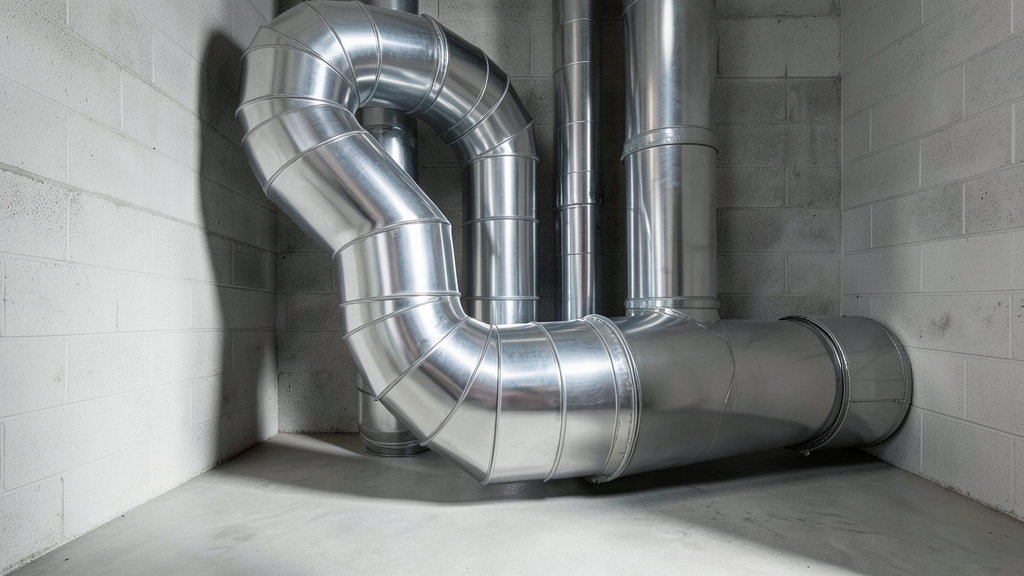
Duct sanitization isn’t just another cleaning step—it’s a targeted treatment to eliminate microbial contaminants lurking in your HVAC system. In our region’s humid summers and dusty seasons, ducts can become breeding grounds for mold, bacteria, and allergens. We’ll break down what sanitization entails, when it’s necessary, and how it differs from standard air duct cleaning.
Duct Cleaning vs. Duct Sanitization: What’s the Difference?
Standard air duct cleaning removes dust, debris, and particulate buildup using high-powered vacuums and agitation tools. It’s a mechanical process that restores airflow and efficiency.
Sanitization goes further by applying EPA-approved antimicrobial treatments to neutralize mold, bacteria, and viruses. Think of cleaning as the first step, sanitization as the protective finish.
In Wichita’s climate, where basements and crawl spaces can trap moisture, sanitization is often the missing piece after a thorough cleaning.
When Does Your Home Need Duct Sanitization?
Visible mold growth inside ducts or on HVAC components is a red flag. If you’ve had water damage, flooding, or persistent musty odors, sanitization is critical.
Households with allergies, asthma, or respiratory issues may benefit from sanitization to reduce airborne irritants. Pet dander and pollen can also cling to duct surfaces, worsening indoor air quality.
After a duct cleaning, we often recommend sanitization if testing reveals high microbial levels. In neighborhoods like Bel Aire or Derby, where newer homes may have tightly sealed systems, stagnant air can accelerate contamination.
Sanitization without a prior inspection can mask problems like leaks or damaged ductwork. Always start with a visual or camera assessment.
How Duct Sanitization Works: Methods and Agents
The most common approach uses a fogging or misting system to distribute antimicrobial agents throughout the ductwork. These agents are designed to kill mold spores, bacteria, and fungi on contact.
UV-C light systems are another option, installed inside the ductwork to continuously disinfect air as it passes through. These are ideal for homes in Andover or Park City where humidity spikes in summer.
For severe cases, we may combine both methods: a chemical treatment followed by UV installation for long-term protection. The choice depends on your system’s condition and your indoor air quality goals.
Sanitization Agents: What’s Safe and Effective
EPA-registered antimicrobials are the gold standard. Look for products labeled for HVAC use, with low VOCs and no harsh residues. These are safe for fiberglass, sheet metal, and flex ducts when applied correctly.
Avoid DIY sprays or household cleaners—these can damage duct linings or leave behind harmful chemicals. Professional-grade agents are formulated to bond to surfaces without corroding materials.
In Wichita, we prioritize agents that perform well in varying humidity levels. Kansas’ seasonal swings can test the longevity of any treatment.
| Method | Effectiveness | Longevity | Best For |
|---|---|---|---|
| Chemical Fogging | High (kills 99.9% of microbes) | 6-12 months | Existing contamination, one-time treatment |
| UV-C Light | High (continuous disinfection) | 2-5 years (with bulb replacement) | Preventive, long-term air purification |
| Ozone Treatment | Moderate (requires evacuation) | Short-term | Severe odor removal (rarely used in homes) |
Signs Your Ducts Need More Than Just Cleaning
Unexplained respiratory issues that worsen indoors often point to contaminated ducts. If symptoms improve when you’re away from home, your HVAC system may be the culprit.
Musty or sour odors emanating from vents are a classic sign of microbial growth. These smells persist even after cleaning if the root cause isn’t addressed.
Visible dust or debris blowing out of vents shortly after a cleaning suggests the cleaning wasn’t thorough—or that sanitization is needed to prevent regrowth.
Red Flags for Duct Contamination
- Persistent musty or moldy smells from vents
- Increased allergy or asthma symptoms indoors
- Visible mold or black stains on duct surfaces
- Recent water damage or flooding near HVAC components
- Dust or debris reappearing quickly after cleaning
What to Expect During a Professional Sanitization Service
We start with a full inspection of your ductwork, using cameras to assess contamination levels. This step ensures we target the right areas with the appropriate treatment.
Next, we perform a thorough cleaning to remove debris and biofilm, which can shield microbes from sanitizing agents. Skipping this step reduces the treatment’s effectiveness.
Finally, we apply the sanitizing agent via fogging or UV installation. For chemical treatments, we’ll run the system for 10–15 minutes to ensure even distribution. You’ll need to vacate the home for a few hours while the product settles.
Maintaining Clean Ducts After Sanitization
Regular air filter replacement is your first line of defense. In Wichita’s dusty conditions, we recommend checking filters every 1–2 months and replacing them as needed.
Consider adding a high-efficiency MERV 13 filter or an air purifier to capture finer particles. This extends the life of your sanitization treatment by reducing new contaminant buildup.
Schedule annual duct inspections, especially if you live in older neighborhoods like Haysville or have pets. Preventative maintenance is cheaper than reactive treatments.
Pair duct sanitization with HVAC coil cleaning and dryer vent cleaning. Dirty coils and clogged vents can reintroduce contaminants into your system.
Commercial Duct Sanitization: Why Wichita Businesses Need It Too
Offices, schools, and healthcare facilities in Wichita face unique challenges with indoor air quality. High occupancy and shared spaces accelerate the spread of airborne pathogens.
Commercial duct sanitization often involves larger-scale fogging systems or permanent UV installations. We tailor treatments to the building’s size, usage, and existing HVAC infrastructure.
For businesses in Derby or Andover, regular sanitization can reduce sick days, improve employee productivity, and meet OSHA or industry-specific air quality standards.
How to Prepare for Duct Sanitization in Your Home
A little prep work ensures the process is smooth and effective.
- 1Clear the Area
Remove furniture, rugs, and personal items near vents and registers. This gives our team unobstructed access to all duct openings.
- 2Turn Off HVAC
Switch off your system at the thermostat and breaker to prevent airflow during treatment. This helps the sanitizing agent settle properly.
- 3Cover Sensitive Items
While our agents are safe, cover aquariums, houseplants, and food prep areas as a precaution. Fogging can drift into adjacent rooms.
- 4Plan to Vacate
Arrange to be out of the home for 1–3 hours after fogging. UV installations require no downtime, but chemical treatments need time to dissipate.
- 5Post-Treatment Ventilation
Once you return, open windows for 10–15 minutes to air out any lingering odors. Run the HVAC system afterward to circulate clean air.
Frequently Asked Questions
Is duct sanitization safe for my family and pets?
Yes, when performed by professionals using EPA-approved agents. These products are formulated to be safe once dry, but we always recommend vacating the home during application. Pets should also be kept out until the treatment has fully settled.
How often should I sanitize my ducts in Wichita?
For most homes, every 2–3 years is sufficient, or after a major event like water damage or a renovation. High-humidity areas or homes with allergy sufferers may need more frequent treatments. Request a quote for a tailored recommendation.
Can sanitization remove mold from my ducts permanently?
No treatment is permanent, but professional sanitization can eliminate existing mold and prevent regrowth for 6–12 months. The key is addressing the root cause—like leaks or humidity—so mold doesn’t return. In Wichita, dehumidifiers can help in damp basements.
Does duct sanitization improve HVAC efficiency?
Indirectly, yes. By removing microbial buildup and debris, sanitization helps restore airflow, reducing strain on your system. However, for maximum efficiency, pair it with a full duct cleaning and HVAC coil cleaning.
What’s the difference between sanitization and UV light treatment?
Sanitization uses chemical agents to kill contaminants on contact, while UV-C light systems provide continuous disinfection as air passes through the ducts. UV is a preventive measure, while sanitization is a corrective one. Many Wichita homeowners opt for both.
Do I need duct sanitization if I just moved into a new home in Andover?
New homes aren’t immune to duct contamination. Construction dust, drywall particles, and even moisture from the building process can introduce contaminants. An inspection can reveal if sanitization is warranted, especially if you notice odors or allergies.