How Dirty Air Ducts Fuel Dust Mites and Allergens in Wichita Homes
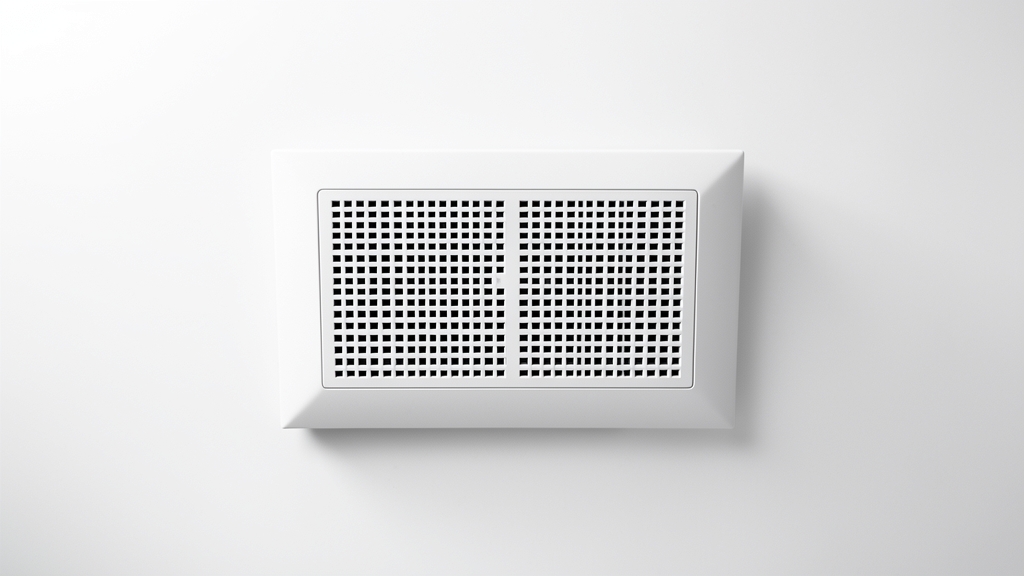
Wichita’s seasonal swings—dry winters, humid summers—turn air ducts into breeding grounds for dust mites and allergens. These microscopic pests thrive in the organic debris that builds up in ductwork, circulating irritants through every room. We’ve seen firsthand how clean ducts transform indoor air quality for families across Derby, Andover, and beyond.
Why Wichita’s Climate Makes Duct Contamination Worse
Our region’s high humidity in spring and summer accelerates mold and mildew growth inside ducts. These spores mix with dust, creating a perfect food source for dust mites.
Winter’s forced-air heating then blasts these contaminants through supply vents, aggravating allergies and asthma. Even in Bel Aire or Park City, sealed homes trap these particles indoors.
The Hidden Ecosystem Inside Your Ductwork
Ducts accumulate skin cells, pet dander, and pollen—all staples of a dust mite’s diet. A single gram of dust can harbor thousands of mites, and their waste is a top allergen trigger.
Return vents pull in unfiltered air, while supply vents distribute the contaminated mix. Over time, this cycle turns your HVAC into an allergen recirculation machine.
Kitchens and bathrooms often feed the most contaminants into ducts. Cooking grease and moisture create sticky surfaces that trap allergens.
Signs Your Ducts Are Feeding Dust Mites and Allergens
Excessive dust on furniture within hours of cleaning is a red flag. So are musty odors when the HVAC kicks on—this often signals mold or mildew in the system.
Unexplained allergy flare-ups, especially in the morning, can mean ducts are releasing irritants overnight. Check vents for visible mold or thick dust buildup.
Common Allergen Indicators
- Dust reappears quickly after cleaning
- Musty smell when HVAC runs
- Increased sneezing or itchy eyes indoors
- Visible mold or debris around vents
- Worsening asthma or respiratory issues
How Professional Duct Cleaning Disrupts the Allergen Cycle
We use high-powered vacuums and agitation tools to dislodge debris from every inch of ductwork. HEPA filtration captures dust mites, spores, and dander before they re-enter your home.
For stubborn mold or mildew, we apply EPA-approved treatments to sanitize the system. This isn’t just cleaning—it’s breaking the life cycle of allergens at the source.
Duct Cleaning vs. DIY Fixes: What Actually Works
Household vacuums lack the suction power to reach deep into ductwork. Even with a shop vac, you’ll miss hidden bends and branches where allergens hide.
Store-bought sprays can mask odors but won’t remove the root cause. Professional tools, like rotating brushes and air whips, physically break up and extract contaminants.
| Method | Effectiveness | Allergen Removal | Long-Term Impact |
|---|---|---|---|
| DIY Vacuuming | Low | Minimal | Temporary |
| Over-the-Counter Sprays | Low | None | Masks odors only |
| Professional Cleaning | High | Comprehensive | Breaks allergen cycle |
| UV Sanitization | High | Kills mold/spores | Prevents regrowth |
Related Services That Boost Indoor Air Quality
Dryer vent cleaning removes lint that can harbor dust mites and restrict airflow, straining your HVAC. Clogged vents also force allergens back into living spaces.
HVAC coil cleaning improves efficiency and prevents mold growth on damp evaporator coils. In areas like Haysville, where humidity spikes, this is critical.
Indoor air quality testing identifies specific pollutants, while UV light systems neutralize mold and bacteria. Air filter replacement ensures your system traps new contaminants.
Schedule duct cleaning in early spring or fall to reduce allergen load before peak HVAC use. This aligns with Wichita’s seasonal pollen spikes.
What to Expect During a Professional Duct Cleaning
Our team starts with a thorough inspection, using cameras to assess contamination levels. We then seal off supply and return vents to contain debris during cleaning.
Next, we agitate and vacuum the entire system, including trunk lines and branch ducts. Finally, we sanitize if needed and replace filters to maintain clean airflow.
How to Reduce Allergens Between Professional Cleanings
These steps help minimize dust mites and allergens in your ductwork until your next service.
- 1Upgrade Your Air Filters
Use MERV 8-13 filters and replace them every 1-3 months. Higher MERV ratings capture smaller particles but may reduce airflow—check your HVAC’s specs.
- 2Vacuum Regularly with a HEPA Filter
Focus on carpets, upholstery, and around vents to reduce dust mite food sources. Empty the vacuum outside to prevent recontamination.
- 3Control Humidity Levels
Keep indoor humidity between 30-50% with dehumidifiers or AC. Dust mites thrive above 60%, and mold grows in damp ducts.
- 4Seal Leaky Ducts
Gaps in ductwork pull in unfiltered air from attics or crawl spaces. Use mastic sealant or metal tape—not duct tape—for lasting repairs.
- 5Schedule Regular HVAC Maintenance
Annual tune-ups include coil cleaning and airflow checks, which prevent allergen buildup. This is especially important in older homes in Park City or Derby.
Frequently Asked Questions
How often should Wichita homeowners clean their air ducts?
We recommend every 5-7 years for average homes, but 3-5 years if you have pets, allergies, or live in high-humidity areas like Haysville. After renovations or water damage, inspect immediately.
Can dirty ducts cause my allergies to worsen?
Absolutely. Dust mites, mold spores, and pet dander circulate through dirty ducts, triggering allergic reactions. Many clients in Andover and Bel Aire report relief after a thorough cleaning.
Will duct cleaning remove mold from my system?
Yes, but only if performed correctly. We use specialized tools to remove mold and apply sanitizers to prevent regrowth. For severe cases, UV light treatment adds an extra layer of protection.
Is duct cleaning messy or disruptive?
Not with our process. We use containment systems to prevent debris from spreading. Most cleanings take a few hours, and you can return to normal activities immediately after.
Do newer homes in Wichita need duct cleaning too?
Yes. Construction dust, insulation particles, and even manufacturing residues can contaminate new ductwork. We’ve cleaned brand-new systems in Derby with surprising levels of debris.
What’s the difference between duct cleaning and coil cleaning?
Duct cleaning targets the entire airflow system, while coil cleaning focuses on the HVAC’s evaporator and condenser coils. Both are critical—dirty coils reduce efficiency and can harbor mold that spreads into ducts.