The Cost of Non-Compliance: Why Wichita Restaurants Need Professional Grease Duct Cleaning
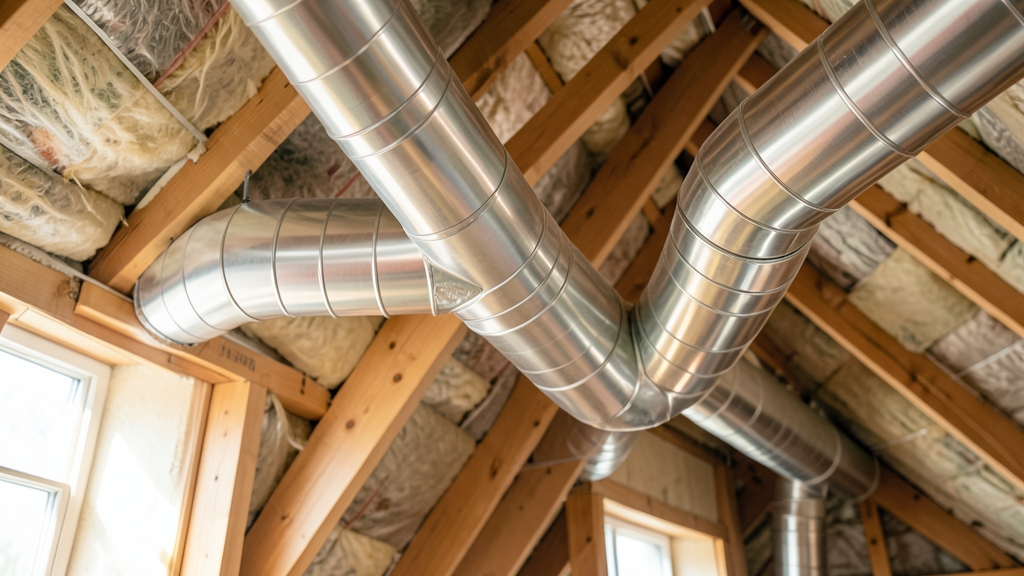
Grease buildup in restaurant ductwork isn’t just unsightly—it’s a ticking time bomb. In Wichita, NFPA 96 violations can shut down a kitchen overnight, and the fire risk is all too real. We’ve seen firsthand how professional grease duct cleaning protects businesses, staff, and customers alike.
Why Grease Duct Cleaning Is Non-Negotiable for Wichita Kitchens
Commercial kitchens generate airborne grease, smoke, and particulate matter that coat duct interiors. Over time, this residue becomes a flammable fuel source, especially in high-volume operations.
NFPA 96 mandates regular cleaning based on cooking volume and type. Wichita’s health and fire inspectors enforce these codes strictly, with no exceptions for busy seasons or staffing shortages.
The Real Costs of Skipping Professional Cleaning
Fines for non-compliance start in the thousands and escalate with repeat violations. Worse, a grease fire can destroy equipment, close your doors for months, and damage your reputation permanently.
Insurance premiums often spike after violations or incidents. Many carriers now require proof of NFPA 96-compliant duct cleaning to maintain coverage for commercial kitchens.
| Violation Type | Immediate Risk | Long-Term Impact |
|---|---|---|
| Excessive grease buildup | Fire hazard, failed inspection | Fines, insurance issues, shutdown orders |
| Blocked exhaust airflow | Poor ventilation, heat/smoke backup | Equipment strain, health code violations |
| Missing or falsified records | Instant inspection failure | Loss of operating license, legal liability |
How Often Should Wichita Restaurants Clean Grease Ducts?
NFPA 96 sets the standard: monthly for high-volume fryers, quarterly for moderate use, and semi-annually for low-volume cooking. Wichita’s humidity can accelerate grease oxidation, making adherence even more critical.
We tailor schedules to each kitchen’s menu and equipment. A burger joint in Derby may need more frequent service than a café in Bel Aire, but both must comply.
A technician uses specialized tools to measure buildup and airflow, ensuring you meet NFPA 96 standards.
What Happens During a Professional Grease Duct Cleaning?
Our team starts with a full system inspection, documenting pre-cleaning conditions. We then scrape, pressure-wash, and degrease every component—from the hood and filters to the ductwork and exhaust fan.
Post-cleaning, we apply a fire-retardant coating where needed and provide a detailed report for your records and inspector reviews. This isn’t just cleaning; it’s risk mitigation.
Signs Your Grease Ducts Need Immediate Attention
Visible grease dripping from vents or hoods is a red flag. So is a persistent smoky odor in the kitchen or dining area, even when cooking is light.
Reduced airflow or unusual noises from the exhaust system often indicate blockages. In Wichita’s summer heat, poor ventilation can also overwork your HVAC, spiking energy costs.
Warning Signs of Grease Duct Trouble
- Grease pooling on surfaces below vents
- Excessive smoke during normal cooking
- Slow or weak exhaust fan performance
- Frequent fire suppression system activations
Beyond Grease: Related Services for Wichita Kitchens
Grease duct cleaning is just one part of a safer kitchen. We also provide dryer vent cleaning for laundry areas, HVAC coil cleaning to improve efficiency, and indoor air quality testing to ensure a healthy environment.
For kitchens in Andover or Park City, we offer UV light and sanitization treatments to reduce mold and bacteria in ductwork, complementing your grease maintenance.
Choosing the Right Partner for Compliance and Safety
Not all duct cleaning services understand commercial kitchens. We use NFPA 96-approved methods and equipment, and our technicians are trained to work around your schedule to minimize downtime.
Look for a provider that offers transparent documentation and stands behind their work. In Wichita, word travels fast—reputation matters as much as compliance.
Ensure your provider is recognized by the National Air Duct Cleaners Association (NADCA) and familiar with local fire codes, meeting industry and Wichita-specific standards.
How to Prepare for a Grease Duct Cleaning Inspection
A little preparation ensures a smooth, efficient cleaning process with minimal disruption.
- 1Clear the Kitchen
Move portable equipment and cover stationary appliances with plastic sheeting. This protects your gear and gives our team full access to the hood and ducts.
- 2Secure Permits if Needed
Some Wichita jurisdictions require permits for commercial duct cleaning. Check with local authorities or ask us—we often handle this for clients.
- 3Schedule During Downtime
Book the service during off-hours or slow periods. Grease duct cleaning can take several hours, depending on system size and buildup.
- 4Designate a Point of Contact
Assign a staff member to coordinate with our team. They’ll need to provide access, answer questions, and review the post-service report.
- 5Review Documentation
After cleaning, verify the technician’s report includes before/after photos, grease measurements, and a compliance certificate for your records.
Frequently Asked Questions
How do Wichita inspectors verify grease duct cleaning compliance?
Inspectors check for visible grease accumulation, proper airflow, and up-to-date cleaning records. They may also request documentation from your provider, including photos and technician certifications.
Can I clean the grease ducts myself to save money?
DIY cleaning rarely meets NFPA 96 standards. Without specialized tools and training, you risk missing hidden grease, damaging ducts, or creating fire hazards. The cost of non-compliance far outweighs professional service.
What’s the difference between grease duct cleaning and standard air duct cleaning?
Grease duct cleaning focuses on removing flammable cooking residues from commercial exhaust systems, using heavy-duty degreasers and fire-retardant coatings. Standard air duct cleaning targets dust and allergens in residential or light commercial HVAC systems.
Do restaurants in Derby or Haysville have different requirements?
NFPA 96 applies statewide, but local fire departments may have additional guidelines. For example, some jurisdictions near Wichita require more frequent inspections for high-risk kitchens. We stay updated on all local codes.
How long does a typical grease duct cleaning take?
A standard commercial kitchen in Wichita usually takes 3–6 hours, depending on system size and grease buildup. Larger or heavily soiled systems may require additional time or multiple visits.
What happens if my restaurant fails a grease duct inspection?
You’ll receive a violation notice with a deadline to correct the issue. In severe cases, the fire marshal may issue a shutdown order until the ducts are cleaned and re-inspected. We can help you meet tight deadlines.