Common Contaminants in Wichita Air Ducts and How We Remove Them
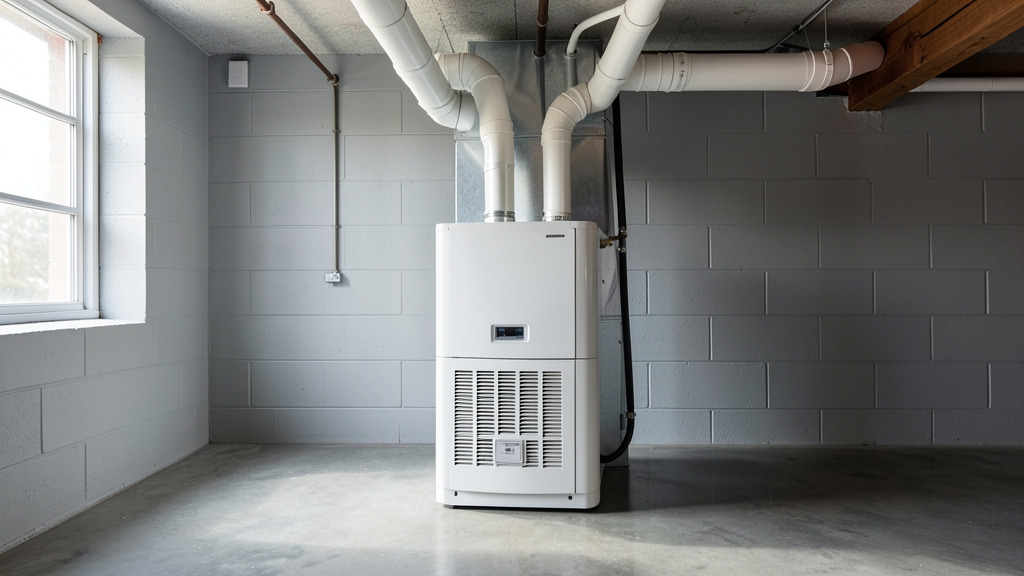
Your home’s air ducts are a hidden highway for contaminants that circulate every time the HVAC kicks on. In our region’s humid summers and dusty springs, these pollutants build up fast—affecting air quality and system efficiency. We’ll break down what’s commonly found in local ducts and the professional methods we use to eliminate them.
Why Wichita’s Climate Makes Duct Contamination Worse
Kansas humidity in summer creates the perfect breeding ground for mold and mildew in ductwork. Even well-sealed systems can trap moisture from condensation or leaks.
Dry, windy seasons kick up dust, pollen, and soil particles that get pulled into return vents. Without regular cleaning, these contaminants recirculate through your home for years.
Neighborhoods near agricultural areas or busy roads, like parts of Derby or Park City, often see higher particulate levels in ducts due to outdoor air quality.
If you notice musty odors when the AC runs, mold may already be growing in your ducts. Professional inspection and treatment are critical—bleach or DIY sprays won’t reach hidden colonies.
The Most Common Contaminants We Find in Local Air Ducts
Dust and dirt are the usual suspects, but they’re often mixed with dead skin cells, insect debris, and even construction dust from past renovations.
Pet dander clings to duct walls and vents, especially in homes with dogs or cats. It’s a top trigger for allergies and can linger long after pets are gone.
Pollen from ragweed, grasses, and trees infiltrates ducts during spring and fall, making indoor air just as bad as outdoor air for allergy sufferers.
Mold spores thrive in dark, damp ducts. Even small patches can release spores that spread through your home, worsening respiratory issues.
Bacteria and viruses can hitch a ride on dust particles. While HVAC filters catch some, many microscopic organisms bypass standard filters and settle in ductwork.
Volatile Organic Compounds (VOCs) from cleaning products, paint, or new furniture can off-gas and get trapped in ducts, contributing to poor indoor air quality.
How Contaminants Enter and Spread Through Your Duct System
Gaps or poorly sealed joints in ductwork pull in unfiltered air from attics, crawl spaces, or basements. Even tiny cracks can introduce contaminants over time.
Dirty air filters fail to stop particles before they enter the system. A clogged filter also restricts airflow, forcing your HVAC to work harder and pulling more debris into the ducts.
Improperly sized or installed ducts create low-pressure zones that suck in dust from surrounding areas. This is common in older homes in Bel Aire or Haysville.
Leaky return vents allow contaminants to bypass the filter entirely. We often find these issues during inspections in both residential and commercial systems.
| Entry Point | Contaminants Introduced | Solution |
|---|---|---|
| Poorly sealed duct joints | Dust, insulation fibers, pests | Professional duct sealing |
| Clogged or low-MERV air filters | Pollen, pet dander, fine particles | Regular filter replacement (MERV 8-13) |
| Leaky return vents | Unfiltered outdoor/attic air | Vent inspection and resealing |
| Condensation in ductwork | Mold, mildew, bacteria | Moisture control, sanitization treatment |
Our Step-by-Step Process for Removing Duct Contaminants
We start with a thorough inspection using high-resolution cameras to identify problem areas, including hidden mold or excessive debris buildup.
Our team uses powerful, truck-mounted HEPA vacuum systems to create negative air pressure, ensuring contaminants are pulled out of the ducts—not just redistributed.
Agitation tools like rotating brushes and air whips dislodge stubborn debris from duct walls. For flex ducts, we use softer brushes to avoid damaging the material.
For mold or bacterial growth, we apply EPA-approved sanitizers or UV light treatments to kill spores and prevent regrowth. This step is critical in humid climates like ours.
Tools and Techniques We Use for Deep Cleaning
HEPA-filtered vacuums capture 99.97% of particles down to 0.3 microns, including pollen, dust mites, and fine dust. These are the gold standard for air duct cleaning.
Negative air machines create a vacuum effect that prevents contaminants from escaping into your home during cleaning. We use these in every job, residential or commercial.
Rotating brush systems come in various sizes to match different duct diameters. For sheet metal ducts, we use stiff bristles; for flex ducts, gentler options prevent tears.
Fogging systems distribute sanitizing agents evenly throughout the ductwork. This ensures even hard-to-reach areas are treated for mold and bacteria.
After cleaning, upgrade to a MERV 11-13 filter to trap smaller particles without restricting airflow. Avoid cheap fiberglass filters—they only catch large dust particles.
Signs Your Wichita Home Needs Air Duct Cleaning
Visible dust or debris blowing from vents is a clear red flag. If you see it, your ducts are likely overdue for a cleaning.
Unexplained allergies or respiratory issues that improve when you’re away from home often point to poor indoor air quality from contaminated ducts.
Musty or stale odors when the HVAC runs suggest mold or mildew growth. These smells won’t go away until the source is removed.
Inconsistent airflow or rooms that are harder to heat or cool can indicate blockages in the ductwork from years of buildup.
If you’ve recently moved into an older home in Andover or elsewhere, or completed a renovation, the ducts may be full of construction dust and debris.
When to Schedule a Cleaning
- Every 3-5 years for average homes
- After major renovations or pest infestations
- If you notice mold, musty smells, or visible dust from vents
- Before allergy season if household members suffer from allergies or asthma
- After moving into a new (to you) home
Related Services to Improve Indoor Air Quality
Dryer vent cleaning removes lint buildup that restricts airflow and poses a fire hazard. We often find these vents clogged in homes across Derby and Park City.
HVAC coil cleaning boosts system efficiency and prevents mold growth on wet evaporator coils. Dirty coils can reduce your system’s ability to cool or heat effectively.
Indoor air quality testing identifies specific pollutants and their concentrations. This helps us tailor solutions like UV sanitizers or better filtration.
UV light and sanitization treatments add an extra layer of protection against mold, bacteria, and viruses in your ductwork and HVAC system.
Commercial duct cleaning addresses larger systems in offices, schools, or retail spaces. These often accumulate contaminants faster due to higher occupancy.
How to Check Your Air Ducts for Contaminants
A quick visual inspection can reveal whether your ducts need professional attention.
- 1Remove and Inspect Vent Covers
Use a screwdriver to remove a few vent covers and shine a flashlight inside. Look for dust buildup, mold spots, or debris.
- 2Check for Dust Blowing from Vents
Turn on the HVAC and hold a white sheet or paper near the vents. If you see dust or dark marks, your ducts are likely dirty.
- 3Sniff for Musty Odors
Stand near the vents when the system is running. Musty or stale smells indicate mold or mildew in the ductwork.
- 4Inspect the Air Filter
A clogged or dark filter means it’s not catching contaminants effectively, and those particles are likely in your ducts.
- 5Look for Uneven Airflow
Walk through your home and note any rooms with weak airflow. This could signal blockages in the ducts.
Frequently Asked Questions
How often should air ducts be cleaned in Wichita?
We recommend every 3-5 years for most homes, but households with pets, allergies, or recent renovations may need it more often. Humid summers here can also accelerate mold growth, so annual inspections are wise.
Can dirty air ducts make my allergies worse?
Absolutely. Dust mites, pollen, and pet dander in ducts circulate through your home, triggering allergies and asthma. Professional cleaning removes these irritants at the source.
What’s the difference between air duct cleaning and HVAC coil cleaning?
Air duct cleaning focuses on the ductwork itself, while HVAC coil cleaning targets the evaporator and condenser coils. Both are important—dirty coils reduce efficiency and can harbor mold.
Do you clean dryer vents too?
Yes, we do. Dryer vent cleaning is a separate service but often overlooked. Lint buildup in vents is a fire hazard and can also reduce your dryer’s efficiency.
Will cleaning my air ducts reduce energy bills?
It can. When ducts are clogged with debris, your HVAC system works harder to push air through, increasing energy use. Clean ducts improve airflow and efficiency.
Is UV light treatment necessary for Wichita homes?
It’s not always necessary, but it’s highly effective for homes with mold issues or households with immune-compromised members. UV light kills mold spores and bacteria that cleaning alone might miss.