Custom Air Duct Cleaning for Wichita’s Industrial and Commercial HVAC Systems
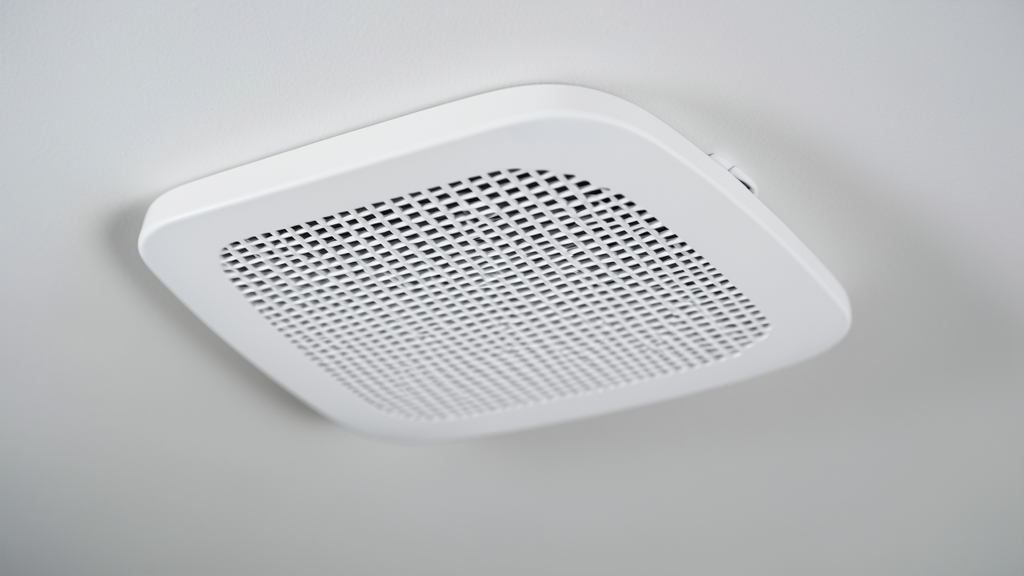
Industrial and commercial HVAC systems in Wichita face unique challenges—heavy particulate loads, seasonal temperature swings, and strict compliance needs. Our team specializes in large-scale duct cleaning that restores efficiency, reduces operational costs, and ensures a healthier workspace for employees and customers alike.
Why Industrial Duct Cleaning Differs from Residential Work
Commercial and industrial systems operate at higher capacities, with complex layouts, larger duct diameters, and specialized components like VAV boxes and rooftop units. These require heavy-duty equipment and trained technicians.
Unlike residential setups, industrial ductwork often integrates with dust collection systems, exhaust fans, and high-velocity airflow paths. Standard tools won’t cut it—we use industrial-grade vacuums, rotary brushes, and access panels tailored for these environments.
Common Contaminants in Wichita Industrial Ducts
Our region’s agricultural and manufacturing sectors introduce fine particulates, grain dust, and metal shavings into HVAC systems. These accumulate rapidly, clogging filters and reducing airflow efficiency.
Seasonal humidity in Kansas can also foster mold and mildew growth within ductwork, especially in facilities with poor ventilation or water intrusion. Left unchecked, these contaminants circulate throughout the building, impacting indoor air quality.
| Contaminant | Source | Impact |
|---|---|---|
| Grain dust | Agricultural processing, storage | Clogs filters, reduces airflow, fire hazard |
| Metal shavings | Machining, fabrication | Abrasive to duct walls, equipment damage |
| Mold spores | Humidity, water leaks | Poor IAQ, health risks, musty odors |
| Fiberglass particles | Deteriorating duct liner | Irritates lungs, reduces system efficiency |
| Oil mist | Manufacturing, food processing | Coats duct surfaces, attracts dust buildup |
Signs Your Facility Needs Professional Duct Cleaning
Unexplained spikes in energy bills often signal restricted airflow from dirty ducts. Commercial systems in Derby, Andover, or Park City may show this first due to older infrastructure.
Visible dust or debris around vents, musty odors, or inconsistent temperatures across zones are red flags. In industrial settings, these issues can lead to equipment overheating or premature failure.
When to Schedule an Inspection
- Energy costs rise without increased usage
- Employees report allergies or respiratory issues
- Visible mold or dust around supply vents
- HVAC system runs longer to maintain setpoints
- Recent renovations or construction nearby
Our Process: Tailored for Large-Scale Systems
We begin with a thorough assessment, using borescopes and air quality tests to map contamination levels. This step ensures we target the right areas—whether it’s the main trunk lines, branch ducts, or coil sections.
For industrial clients, we often coordinate with facility managers to schedule cleaning during downtime, minimizing disruption. Our team uses HEPA filtration vacuums and agitation tools designed for high-capacity systems.
Beyond Cleaning: Related Services for Full System Health
Duct cleaning is just one piece of the puzzle. We also provide HVAC coil cleaning to restore heat transfer efficiency, which can degrade by 30% or more when fouled with debris.
Dryer vent cleaning is critical for facilities with on-site laundries, such as hotels or healthcare centers in Bel Aire or Haysville. Lint buildup in these vents is a major fire hazard.
For spaces with persistent mold or bacteria concerns, our UV light and sanitization treatments provide an added layer of protection. Indoor air quality testing can also identify hidden issues before they escalate.
Pair duct cleaning with air filter replacement to maximize system performance. High-efficiency filters capture finer particulates but require more frequent changes in industrial settings.
Compliance and Safety Standards We Follow
Wichita’s industrial facilities often fall under OSHA, ASHRAE, or local fire marshal regulations. Our methods align with NAIMA’s guidelines for duct cleaning, ensuring we meet or exceed these standards.
We document every step—from pre-cleaning inspections to post-service air quality reports—to provide the paperwork your compliance team needs. This is especially important for food processing plants or healthcare facilities.
Not all duct cleaning companies are equipped for industrial work. Uncertified technicians can damage ductwork or fail to remove contaminants properly, leading to costly rework or safety violations.
How Often Should Industrial Ducts Be Cleaned?
Frequency depends on your facility’s operations. Manufacturing plants or woodworking shops may need cleaning every 1–2 years, while offices or retail spaces can often go 3–5 years between services.
High-traffic areas like schools, hospitals, or warehouses in Wichita’s metro area should be inspected annually. Environmental factors, such as proximity to construction or agricultural zones, can also shorten the interval.
How to Prepare Your Facility for Commercial Duct Cleaning
A little preparation ensures a smooth, efficient process with minimal disruption.
- 1Clear the Work Area
Remove any obstructions near vents, air handlers, or access panels. Technicians need at least 3–4 feet of clearance to operate equipment safely.
- 2Notify Occupants
Inform employees or tenants about the schedule, especially if sections of the building will be temporarily offline. Noise and airflow changes are normal during cleaning.
- 3Secure Sensitive Equipment
Cover or shut down computers, servers, or production machinery near ductwork. Fine dust dislodged during cleaning can damage electronics.
- 4Provide Access Details
Share blueprints or duct layouts if available, and ensure our team has access to mechanical rooms, rooftop units, or locked areas.
- 5Plan for Post-Service Testing
After cleaning, we’ll perform airflow and air quality checks. Schedule a walkthrough to review results and address any follow-up needs, like filter upgrades or coil cleaning.
Frequently Asked Questions
How long does commercial duct cleaning take for a large facility in Wichita?
Timing varies by system size and complexity. A typical industrial facility may take 1–3 days, while smaller commercial spaces in areas like Andover or Derby can often be completed in a single day. We’ll provide an estimate after assessing your setup.
Will duct cleaning disrupt my business operations?
We work around your schedule, often performing cleaning during off-hours or in sections to minimize downtime. For flexible operations, we can stage the work to avoid critical production periods.
Can dirty ducts really affect my HVAC system’s lifespan?
Absolutely. Contaminant buildup forces your system to work harder, increasing wear on components like fans, motors, and coils. Regular cleaning extends equipment life and reduces repair costs over time.
Is mold remediation included in duct cleaning?
Basic cleaning removes surface mold, but severe infestations may require additional treatment. We offer mold and mildew duct treatments, as well as UV sanitization, to address persistent issues. Indoor air quality testing can confirm the need for these services.
Do you service facilities outside Wichita proper?
Yes, we serve the entire metro area, including Derby, Andover, Haysville, Park City, and Bel Aire. Travel time may affect scheduling, but we’ll coordinate to meet your needs.
How do I know if my ducts need cleaning or just a new filter?
While replacing air filters is part of routine maintenance, visible dust in vents, musty odors, or reduced airflow often indicate deeper contamination. A professional inspection can determine whether cleaning is necessary.